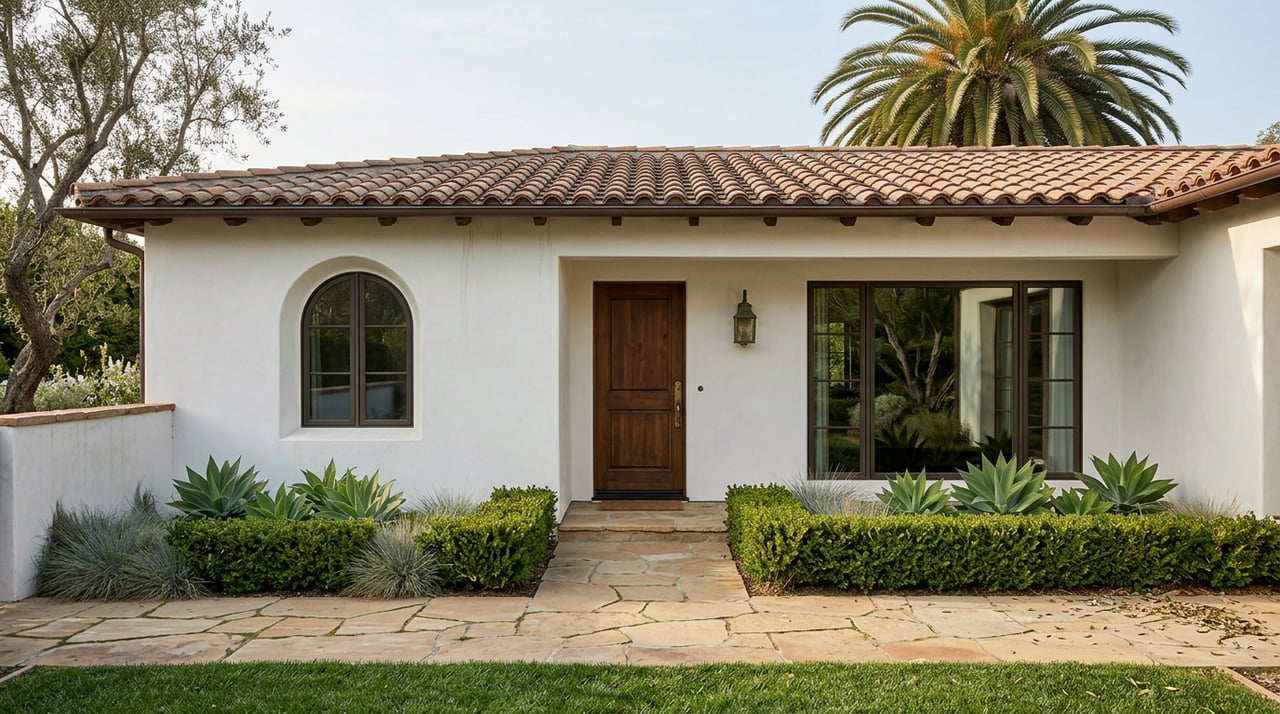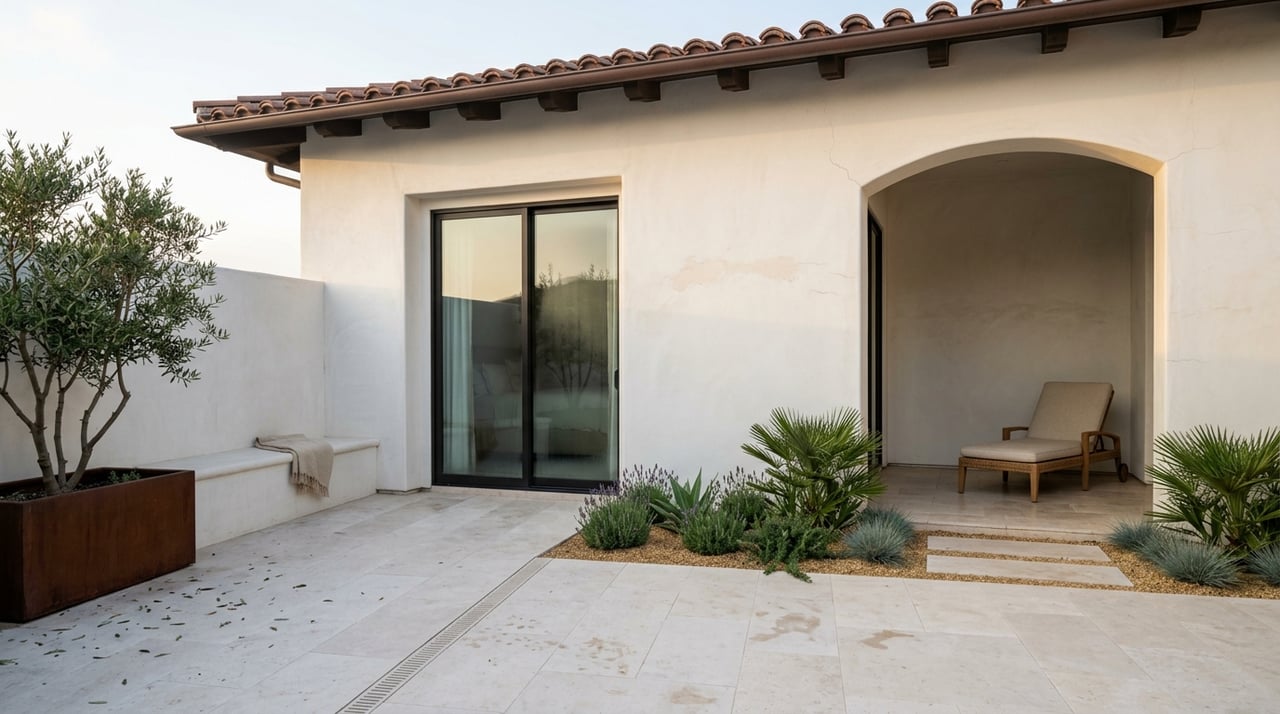
Dreaming of a quiet beach town retreat where you can unwind, rent for part of the year, and lock the door with confidence when you leave? Summerland on the Santa Barbara coast checks a lot of boxes. But buying a second home here takes a different playbook than buying inland. Coastal rules, wildfire and bluff hazards, insurance, and rental permissions can shape what you can do with a property and what it will cost to own.
This guide gives you the essential local factors to review before you write an offer. You will learn how Summerland’s Coastal Zone policies affect rentals and remodels, what to check for insurance and hazards, how HOAs may limit short stays, and which value drivers matter most. Let’s dive in.
Why Summerland for a second home
Summerland is an unincorporated community in Santa Barbara County, guided by the County’s Summerland Community Plan and countywide planning rules. That means you work with County Planning and Development rather than a city planning department. You can review the planning context in the County’s Summerland Community Plan.
A key detail: Summerland sits inside the California Coastal Zone. Coastal Zone homes often face extra permit layers for new development or changes in use. If you are buying for views, beach access, or potential rental income, expect Coastal Zone policies to shape your timeline, due diligence, and financing.
Rental rules in the Coastal Zone
Short-term rental rules along the Santa Barbara coast have been active and complex in recent years. In 2018, the California Coastal Commission reviewed the County’s proposed rules for Coastal Zone short-term rentals and did not certify them as submitted. The result is that regulation in the Coastal Zone remains subject to further local and Commission work. You should not assume you can operate a nightly rental without confirming current permissions. See the Commission’s staff report for background on Coastal Zone STR policy issues in Santa Barbara County here.
What to verify before you buy
- Zoning and permitted use. Confirm with County Planning whether the parcel’s zoning or overlays allow short-term rentals, homestays, or only long-term occupancy. Start with the Summerland Community Plan and then speak with County staff.
- Coastal Development Permit exposure. In the Coastal Zone, some short-term rentals require Coastal Development Permits, especially near bluffs, beaches, or visitor-serving areas. Ask if any existing rental use is permitted or nonconforming and whether a Coastal Development Permit is on file. The Commission’s 2018 report outlines how CDPs can apply to STRs.
- Taxes and registrations. Hosts typically collect and remit Transient Occupancy Tax and may need local business registrations. Verify current TOT rules with County agencies before you model rental revenue.
If your primary goal is rental income, also price out a 30-plus day rental model. It often faces fewer regulatory hurdles than nightly stays but delivers different returns.
Coastal and wildfire risks to factor in
Wildfire, bluff stability, and coastal flooding are real planning and insurance variables in Summerland. Reviewing a property’s hazard profile early can save time and help you compare true carrying costs between homes.
- Fire Hazard Severity Zones. Santa Barbara County’s local fire districts released updated Fire Hazard Severity Zone maps for Local Responsibility Areas in 2025. A “High” or “Very High” designation can affect defensible space, building standards, and insurance pricing. Check your parcel’s status with the local fire district and review the County release on updated maps here.
- Sea-level rise and bluff setbacks. Coastal policies require new development and substantial remodels to avoid hazards over the expected life of the structure. Bluff-top parcels often need site-specific geotechnical analysis to set safe setbacks, which can change usable lot area and future remodel feasibility. The City and County coastal hazards guidance provides helpful context on bluff retreat and setbacks in permit review; see the LCP hazards chapter here.
- Tsunami and flood mapping. The California Geological Survey publishes tsunami hazard maps for Santa Barbara County. If you are looking near the shoreline or in lower elevations, consult the CGS map and FEMA flood maps to plan insurance and evacuation routes. Start with the CGS tsunami hazard area map here.
Insurance planning in today’s market
California’s insurance market is changing as wildfire risk evolves. Availability and premiums can vary block by block based on hazard designations and home hardening. Before you open escrow, request quotes or written insurability confirmations for the specific property. The Department of Insurance has moved to expand insurer participation with updated catastrophe modeling frameworks, but near-term pricing still depends on parcel risk and mitigation. Read more about the policy context here.
Smart early steps:
- Ask for the current policy declarations and any claim history.
- Get at least two quotes from carriers that write in Santa Barbara County.
- If needed, secure a FAIR Plan option and a companion policy quote, then compare total coverage and conditions.
- Price out mitigation improvements, like ember-resistant vents, roof upgrades, and defensible space.
Bluff, flood, and tsunami factors
If a parcel sits on or near a bluff edge, build your due diligence around a licensed geotechnical report. Lenders, insurers, and permit reviewers all rely on site-specific geotechnical findings to define setbacks and stability horizons. For remodels or major improvements, plan for Coastal Development Permit review and geotechnical submittals consistent with local LCP coastal hazards guidance. The coastal hazards policy chapter linked here outlines how sea-level rise and bluff retreat are evaluated.
HOA vs non-HOA differences
If the home is part of a common interest development, HOA rules may be as important as county rules. California’s Davis–Stirling Act limits how associations can restrict rentals, but it explicitly allows HOAs to prohibit transient or short-term rentals of 30 days or less and to adopt certain rental caps. See Civil Code Section 4741 on rental restrictions here.
What to review in HOA docs
Pull a complete HOA package and focus on:
- CC&Rs, bylaws, rules and any amendments related to rentals.
- Meeting minutes that mention short-term rental enforcement or fines.
- Insurance policies, reserve studies, and any special assessments.
- Parking, occupancy, and shared-area rules that affect guest stays or lock-and-leave routines.
If restrictions exist, ask counsel how they apply to current owners and to your intended use timeline.
Value drivers and carrying costs
Location, use flexibility, and risk profile shape value on the South Coast. In Summerland, ocean outlooks and bluff proximity often command meaningful premiums, but the exact lift is parcel specific.
Ocean view premiums
Academic research shows a wide range for the value of a view, from single-digit percentages for partial views to several tens of percent for unobstructed oceanfront views. The premium depends on quality, orientation, and distance. For context, see a classic hedonic analysis on the value of a view. For any target property, ask a local appraiser to separate base value from view premium so you can compare across options.
Property taxes and budgeting
California’s base property tax rate is 1.00 percent of assessed value under Proposition 13, and most parcels carry voter-approved add-ons that lift the effective rate. Expect supplemental tax bills after purchase when the assessor resets the basis. A local overview of Santa Barbara County property taxes can help you estimate the effective rate and the timing of bills; review this simple guide.
When you model carrying costs, include:
- Property taxes and any special assessments.
- Insurance with a wildfire and coastal exposure adjustment.
- Utilities, landscape, and maintenance, plus a reserve for coastal or slope work if applicable.
- HOA dues and special assessments if in an association.
Lock-and-leave strategies
Decide how you plan to use the home in year one, then build your operations around that choice. Your goals drive everything from insurance to security systems.
Common approaches:
- Personal use only. Focus on security, preventive maintenance, and a local caretaker.
- Hosted homestay. If allowed, you stay on site while renting a portion of the property.
- Whole-home short-term rental. Highest overhead and most regulatory steps in coastal areas.
- 30-plus day seasonal rental. Often simpler to permit, with different returns.
Management costs and models
Full-service short-term rental managers in coastal markets typically charge about 15 to 35 percent of gross bookings, with 20 to 30 percent common for concierge-level service. Cleaning, supplies, and maintenance are extra. For 30-plus day leasing, fees are usually lower or fixed. For a fee breakdown and what to request in proposals, see this management cost guide.
Practical checklist
To make a Summerland home truly lock-and-leave ready, line up:
- A local contact who can respond 24/7 and meet vendors.
- Smart locks and security cameras where permitted, with guest code management if you rent.
- A preventive maintenance plan for HVAC, plumbing, roof, and drainage, plus seasonal shutoff protocols.
- A housekeeping and linen schedule that fits your use pattern.
- Written HOA compliance steps if applicable, including guest rules and parking.
Your due-diligence game plan
Map your steps to the property type you are targeting, then build timelines for permits and insurance.
Pre-offer and early contingency period:
- Confirm jurisdiction and Coastal Zone status. Start with the Summerland Community Plan and ask County Planning what permits or overlays apply.
- Pull planning and permit history. Request any Coastal Development Permits, land-use permits, or enforcement notices. If the seller advertises STR use, verify permitting against the Coastal Commission’s 2018 STR report.
- Check hazard designations. Review Fire Hazard Severity Zone maps and plan for a local inspection using the County release here. Pull FEMA flood data and consult the CGS tsunami map here.
- Get insurance quotes. Ask for at least two carrier quotes and, if needed, a FAIR Plan backstop. Review the policy context here.
- Order geotechnical review if bluff-adjacent. Align your remodel scope and financing with likely setbacks and coastal hazards policy found here.
- If in an HOA, review CC&Rs and rental rules. Use Civil Code guidance on rental restrictions here.
- Model multiple scenarios. Compare personal use, hosted stays, nightly rentals, and 30-plus day leases. Include occupancy assumptions, management fees, TOT, cleaning, insurance deltas, and a maintenance reserve.
When you are ready to compare specific homes or prepare an offer, you can streamline the process by working with a local team that knows coastal permitting, hazard mitigation, and rental operations. If you want a calm, expert guide who can help you evaluate risk, unlock off-market options, and connect you with vetted appraisers, geotechnical engineers, managers, and insurance brokers, reach out to Nico Pollero. Request a Private Consultation & Receive Pocket Listings.
FAQs
Can you operate a short-term rental in Summerland’s Coastal Zone?
- It depends on zoning, location, and permitting. The California Coastal Commission reviewed the County’s proposed Coastal Zone STR rules in 2018 and did not certify them as submitted, so you must verify current permissions and whether a Coastal Development Permit applies before you rent.
How does wildfire risk affect Summerland home insurance?
- If a parcel is mapped in a High or Very High Fire Hazard Severity Zone, expect stricter defensible space requirements and possible premium increases. Get quotes before you offer and price out mitigation like roof upgrades and ember-resistant vents.
What is a Coastal Development Permit and when might I need one?
- A Coastal Development Permit is a special approval for development or certain changes of use in the Coastal Zone. Bluff-top sites, shoreline areas, and some short-term rental uses may require a CDP; review planning history and consult County staff early.
Do HOAs in Summerland allow short stays?
- Many HOAs restrict stays under 30 days. California Civil Code Section 4741 allows associations to prohibit transient or short-term rentals and to adopt certain rental caps. Always review CC&Rs, rules, and any amendments before you buy.
How much are ocean views worth in Summerland?
- View premiums vary widely with quality and distance. Academic studies show partial views add single-digit percentages, while unobstructed oceanfront views can add several tens of percent. Ask a local appraiser to separate base value from the view premium for your target property.
Do I need flood or tsunami insurance for a coastal Summerland home?
- It depends on elevation and mapping. Check FEMA flood zones and the state tsunami hazard map. If exposure exists, factor in NFIP and excess coverage options along with evacuation planning.