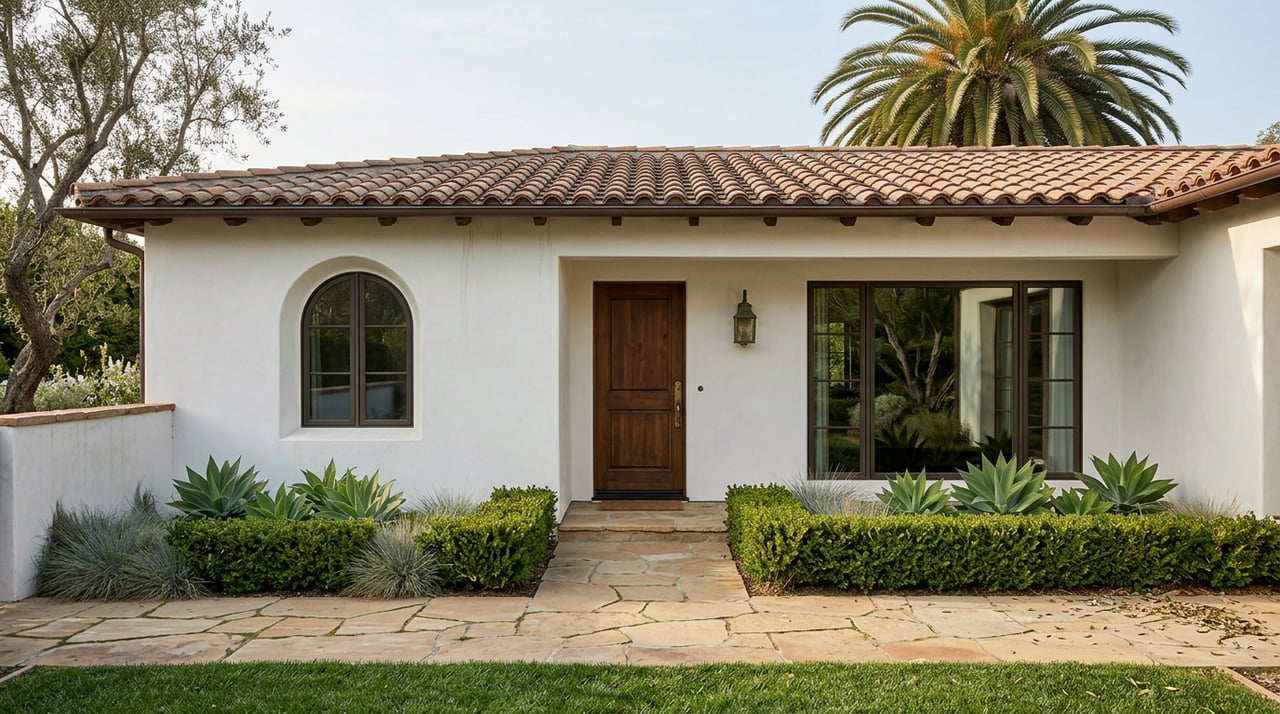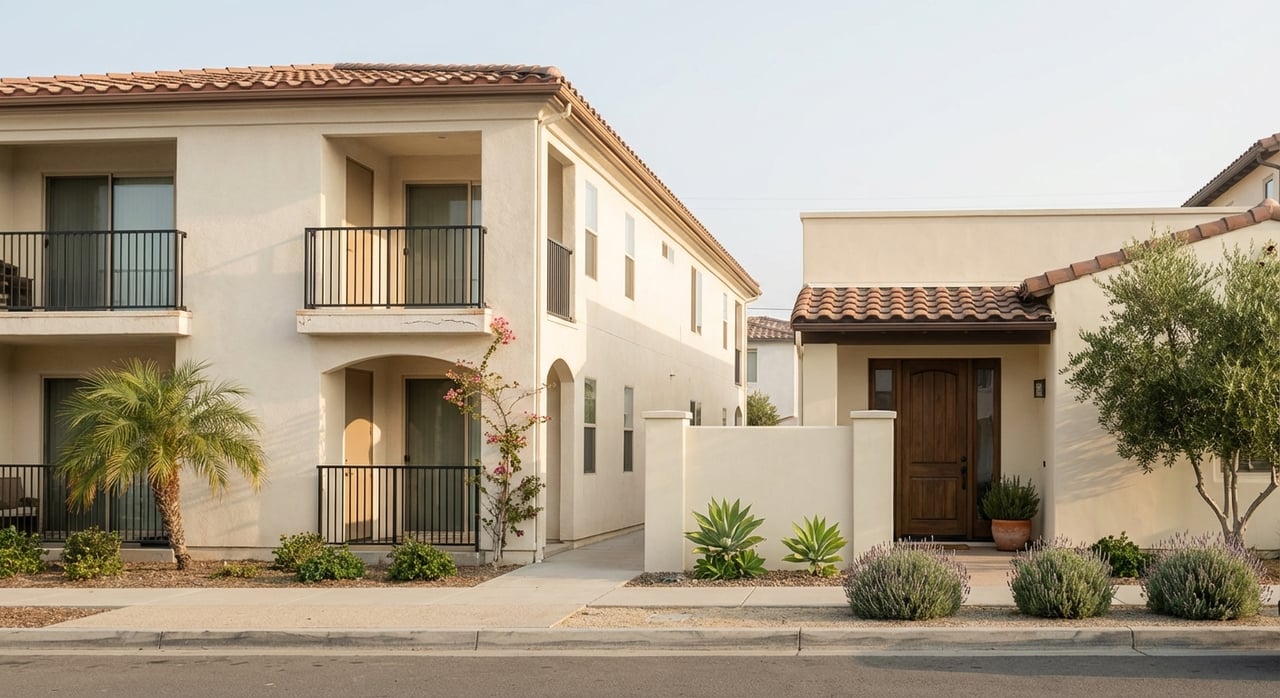
Choosing between a condo and a house in Carpinteria is really about how you want to live near the coast. Do you want to stroll to the sand with minimal upkeep, or spread out with a yard and more privacy? Both paths can work well here, and the right fit comes down to budget, maintenance style, and how you plan to use the home. In this guide, you’ll learn the key differences in costs, HOA rules, short‑term rental limitations, lifestyle trade‑offs, and the due diligence that protects you. Let’s dive in.
Carpinteria market snapshot
Carpinteria sits in the mid to high single‑million dollar band overall as of late 2025 into early 2026. Condos typically start well below single‑family homes, with entry‑level options often appearing from the low $500,000s to around $900,000 depending on size and location. Upgraded or walk‑to‑beach condos can reach into the low $2 million range when views and amenities are prime.
Single‑family homes generally trade higher due to limited lots, ocean views, and gated or hillside enclaves. Inventory is modest citywide, so well‑priced condos near the beach can move quickly, while higher‑end houses may take longer but command premium prices. Use a current MLS snapshot when you are ready to write an offer so you can compare today’s condo and house medians with confidence.
Condo living: what to expect
Lifestyle and location
If walkability and low upkeep are top priorities, many Carpinteria condos and townhomes are intentionally sited near Carpinteria State Beach, the bluffs, and downtown. That proximity is a major draw for second‑home buyers and downsizers who want a lock‑and‑leave setup that makes beach days simple. Expect higher density and shared walls, which can mean more ambient noise compared to a detached home, especially in resort‑style buildings.
Monthly costs and HOAs
Condo owners pay monthly HOA dues that fund building operations, insurance for common areas, and reserves for big projects. In Carpinteria, recent listings show dues commonly in the roughly $500 to $1,100 per month range depending on amenities and age. California law requires associations to perform regular reserve studies and share disclosures with owners, which helps you gauge whether dues are keeping pace with long‑term repair needs. Review the latest reserve study and budget during escrow so you understand near‑term project plans and funding levels. Guidance on reserve study requirements is summarized here for reference in the Davis‑Stirling framework overview: California reserve study requirements.
Maintenance and special assessments
One perk of condo life is fewer daily chores, since the HOA usually handles exterior elements, roofs, landscaping, and shared systems. The trade‑off is exposure to the HOA’s budget decisions. If reserves are thin or inspections uncover issues, owners can face special assessments. In California, exterior elevated elements like balconies must follow inspection timelines that can trigger building‑wide projects. In Carpinteria, the city is also pursuing a soft‑story retrofit program for certain older buildings. Ask whether a complex is subject to the city’s retrofit rules and if any assessments are planned by reviewing board minutes and disclosures. You can read the city’s program overview here: Carpinteria soft‑story building retrofit ordinance.
Financing checks for condos
Condo financing evaluates both the borrower and the building. Lenders review the project’s reserves, owner‑occupancy, commercial space, litigation, and other factors. If a building does not meet conventional standards, it can be labeled non‑warrantable, which may limit loan options or raise down payment requirements. Have your lender review the project early using tools like Fannie Mae’s project eligibility systems so you are not surprised mid‑escrow. Learn more about how lenders review condo projects from Fannie Mae’s Condo Project Manager overview.
Short‑term rental rules
If you plan to offset costs with short‑term rentals, Carpinteria’s licensing rules matter. The city requires vacation rentals and home‑stays in residential zones to be licensed, limits where new vacation rental licenses can be issued through a Vacation Rental Overlay District, caps license counts in overlay areas, and requires annual renewals and transient occupancy tax remittance. Before you count on rental income, verify that your target unit is eligible and that the HOA allows it. Start with the city’s guide here: Carpinteria short‑term rental information.
House living: what to expect
Space, privacy, and storage
Detached homes offer more separation, private yards, and easier storage for boards, bikes, and gear. If you entertain often, want room for pets, or prefer fewer shared walls, a house can be a better fit. Families that need more bedrooms and flex space often favor single‑family homes, accepting a trade‑off in walkability or paying a premium for closer‑in locations.
Maintenance and control
Owning a house puts you in charge of the roof, siding, yard, and major systems. That autonomy means you can prioritize projects on your schedule and style. It also means higher responsibility for ongoing upkeep, budgeting for capital items, and coordinating vendors yourself. Unlike an HOA, there is no board to level assessments, but you carry the cost of surprises directly.
Location patterns and coastal risk
Single‑family neighborhoods in Carpinteria are more common north of Highway 101 and in hillside pockets. If you are considering a near‑beach home, it is smart to evaluate flood and sea‑level‑rise exposure using official resources. The NOAA Sea Level Rise Viewer is a useful starting point for coastal risk awareness: NOAA coastal flood and sea‑level tools. Pair that with a local flood zone check during escrow and insurance quotes early in your process.
Who tends to choose what
Upsizing households
If you need bedrooms, a yard, and more storage, a house typically fits better. You usually trade proximity to the sand for interior space unless you pursue premium waterfront or near‑coast properties. In Carpinteria’s low‑inventory environment, having flexible timing and financing helps when a good match appears.
Second‑home buyers
Walk‑to‑beach condos make coastal escapes easy with minimal upkeep. If rental income matters, align your plan with city licensing limits and HOA rules before you buy. Licensing caps and overlay districts mean not every condo can be used as a vacation rental, and licensed hosts must remit transient occupancy tax. The city’s overview is the best place to confirm what is allowed today: Carpinteria STR program.
Downsizers and retirees
Condos reduce chores, and many buildings are close to the beach and downtown amenities. Review HOA reserves, inspection schedules, and past assessment history so you understand the long‑term cost picture. Also consider property tax outcomes. Under Proposition 13, assessed values increase at limited rates until a change of ownership, and Proposition 19 includes portability rules for eligible seniors. Get familiar with the framework here: California Proposition 13 overview. Your tax advisor can help you assess how a move might affect your bill.
Cost comparison at a glance
- Purchase price
- Condos generally start lower than houses in Carpinteria. Beachfront or view condos can approach or exceed many single‑family prices when the location is exceptional.
- Monthly costs
- Condos add HOA dues that often cover exterior maintenance and common‑area insurance. Houses skip HOA dues but require a personal maintenance budget for roof, exterior, and yard care.
- Assessment risk vs repair control
- Condos carry assessment risk if reserves fall short or inspections trigger projects. Houses avoid HOA assessments but put you directly on the hook for big repairs.
- Walkability and beach access
- Many condos are walkable to the beach and downtown. Houses with the same proximity can be scarce and command premiums.
- Privacy and storage
- Houses provide more separation, a private yard, and easier gear storage. Condos trade some privacy for convenience and amenities.
Your Carpinteria buyer checklist
For condos and townhomes
- Request the CC&Rs, bylaws, and current house rules.
- Review the latest annual budget, the most recent reserve study, and a reserve balance snapshot. California’s reserve obligations and inspection cycles are summarized here: reserve study requirements.
- Read board minutes from the past 12 months for clues on upcoming projects or assessments.
- Confirm master insurance type, coverage limits, deductibles, and any loss‑assessment exposure for owners.
- Check the owner‑occupancy rate, delinquency levels, and any litigation.
- Verify rental policies and short‑term rental eligibility. Start with the city’s current license rules: Carpinteria STR information.
- Ask whether the building falls under the city’s soft‑story retrofit program or has upcoming exterior element inspections: soft‑story ordinance.
For single‑family homes
- Confirm parcel taxes or special assessments and review permit history.
- Evaluate roof, sewer or septic, drainage, and major systems with qualified inspectors.
- Check flood zone status and coastal risk using official tools like NOAA’s sea‑level rise viewer.
- If the property includes any multi‑unit component, ask whether retrofit requirements could apply.
Financing step
- Have your lender review condo project eligibility early to confirm warrantability and any FHA or VA constraints. Learn more about project reviews from Fannie Mae’s CPM overview.
How to decide with confidence
Start with your non‑negotiables. If you value walkability, minimal chores, and community amenities, a condo near the beach can be ideal. If you want a yard, privacy, and more control over improvements, a house will likely feel better. From there, compare true monthly costs by lining up HOA dues or a house maintenance budget, insurance quotes, and a rough capital reserve plan for the next five years.
For many Carpinteria buyers, the best move is to preview a few homes in each category. Stand on the balcony or in the yard and ask yourself how it will feel on a typical Tuesday, not just on vacation. Then pressure‑test the numbers with current comps, HOA documents, and your lender’s input on condo project status.
Ready to explore both options and see off‑market opportunities you will not find on portals? Reach out for a private consult. Nico Pollero pairs deep local knowledge with a boutique, high‑touch process to help you choose the right fit the first time.
FAQs
Are condos cheaper than houses in Carpinteria?
- Generally yes. Condos usually start well below single‑family prices, though upgraded or beachfront condos can reach into the low $2 million range depending on location and view.
Can I do short‑term rentals in a Carpinteria condo?
- Only if the unit and location meet city licensing rules and the HOA allows it. The city caps licenses within a Vacation Rental Overlay District and requires annual renewals and tax remittance. See the Carpinteria STR program.
What HOA documents should I review before buying a Carpinteria condo?
- Pull CC&Rs, bylaws, rules, the latest budget, reserve study, 12 months of board minutes, insurance declarations, and any litigation or project notes. California’s reserve rules are summarized here: reserve study requirements.
How do condo special assessments happen in California?
- If reserves are low or inspections identify repairs, boards can levy assessments to fund projects. Exterior elevated‑element and local retrofit programs can also trigger building‑wide work. Review reserve levels and planned projects before you buy. See Carpinteria’s soft‑story ordinance.
What financing issues affect Carpinteria condos?
- Lenders review the entire project for reserves, owner‑occupancy, litigation, and more. Non‑warrantable projects may require larger down payments or different loans. Learn more at Fannie Mae’s CPM overview.
What coastal risk checks should I run for near‑beach homes?
- Start with official flood zone status and use NOAA’s Sea Level Rise Viewer for a high‑level look at coastal exposure. Here is the tool: NOAA sea‑level rise and flood maps.