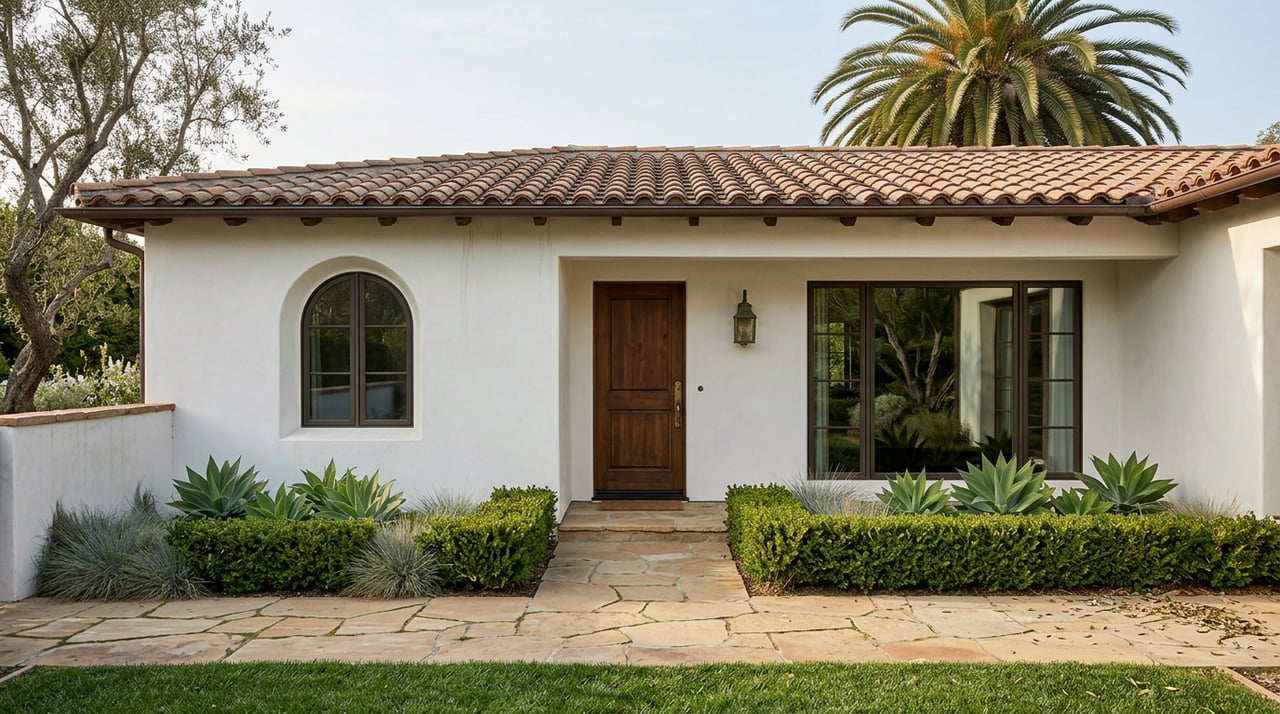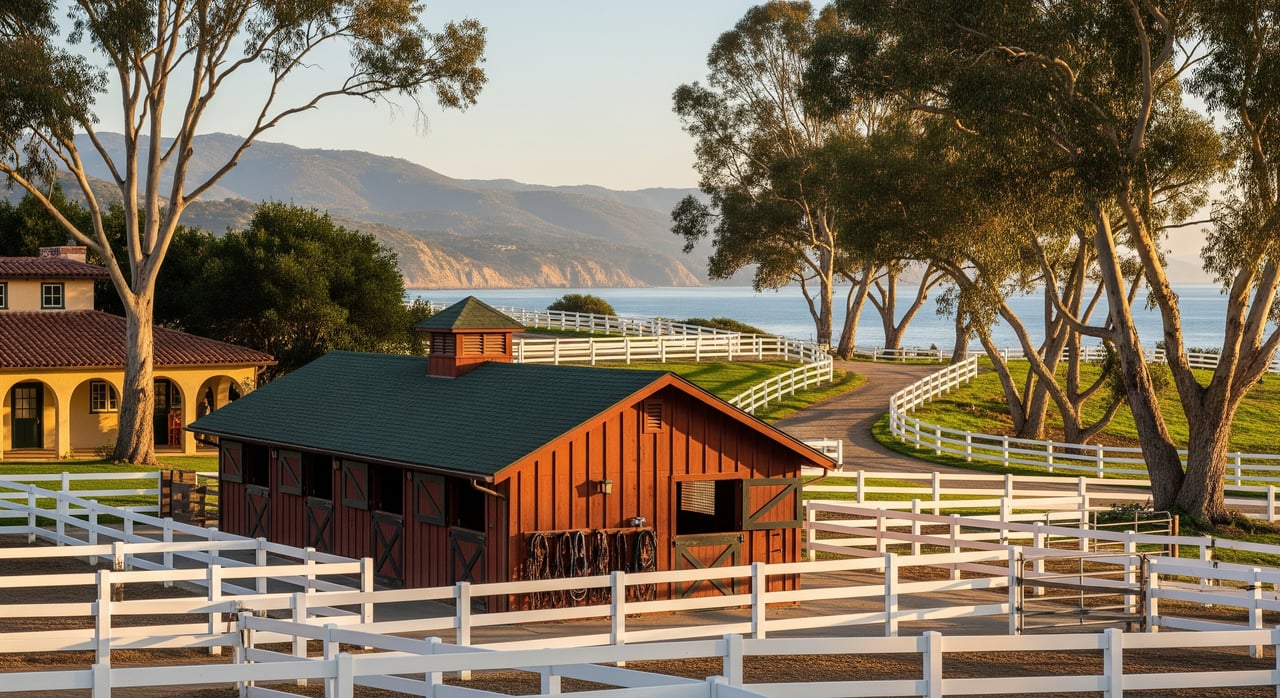
If your ideal day starts with a morning ride and ends with a coastal sunset, Hope Ranch is one of the few places where that lifestyle feels effortless. You get large lots, bridle paths, and privacy, all minutes from Santa Barbara amenities. Buying or selling an equestrian property here is different from a typical home transaction, so the right preparation matters. In this guide, you’ll learn what to look for, which rules apply, how to handle due diligence, and how to position your property for success. Let’s dive in.
Why Hope Ranch for equestrian living
Hope Ranch is an affluent, low-density coastal community in unincorporated Santa Barbara County. It is known for large parcels, an active equestrian culture with private bridle paths, and access to area amenities. Its coastal climate and proximity to Santa Barbara’s services appeal to lifestyle-focused buyers.
Inventory is limited and properties often trade at luxury price points. Parcels with horse facilities or arena potential commonly sell in the multi-million-dollar range. Because turnover is modest, planning and local guidance are key when the right property appears.
Property types and lot sizes
Equestrian properties range from small parcels to multi-acre estates. Many parcels fall in the 1–10+ acre range. Hobby setups often sit on 1–5 acres, while private boarding or training facilities generally need more land and specific permits.
The most sought-after features include functional barns, quality arenas, safe fencing, and convenient access to bridle paths. Easy proximity to trainers, veterinarians, farriers, and feed or tack suppliers can also influence value and day-to-day convenience.
Zoning and HOA rules to know
Hope Ranch sits in unincorporated Santa Barbara County. Zoning, building permits, and Coastal Zone matters are handled by County Planning & Development. Environmental Health oversees septic and animal-waste considerations.
Many properties are subject to the Hope Ranch Association and its CC&Rs. These rules can govern accessory structures, fencing, visible exterior changes, and road or driveway work. Always request and review the association’s governing documents, fee schedules, and any pending assessments before you commit.
Animal counts and use permits
County zoning controls the number of animals per acre and sets setbacks for barns and manure storage. Commercial uses, such as boarding, training, or a riding school, often require a special or conditional use permit. Confirm what is allowed on the exact parcel before you make plans.
Coastal Zone and environmental review
If a parcel sits in the Coastal Zone, improvements like barns, arenas, grading, and fencing near bluffs may require Coastal Development Permits. Expect closer review of bluff setbacks, visual impacts, stormwater runoff, and manure management. Drainage solutions and erosion control are not just best practices, they can be regulatory requirements in sensitive areas.
Septic, water, and utilities
Many Hope Ranch properties use septic systems. Larger stables or boarding operations may need septic upgrades approved by County Environmental Health. Verify your water source, whether municipal connection or a private well. Arena dust control and pasture irrigation can be water-intensive, so confirm availability and system capacity before you buy.
Fire safety and access
Santa Barbara County and Cal Fire require defensible space and access that can support emergency vehicles. Barns and outbuildings must allow safe ingress and egress for fire equipment. Wildfire exposure can affect insurance availability and cost, so build fire readiness into your planning.
What to look for on site
A thoughtful property walk-through can save you from costly surprises later. Use this equine-focused checklist to guide inspections.
Barns and stables
- Construction quality and ventilation that suit the coastal climate
- Proper drainage away from stalls and aisles
- Stall dimensions, safe doors and latches, and adequate aisle width
- Fire safety features and clear exits
- Secure feed and tack storage
Arenas and round pens
- Base construction and footing material suited to your discipline
- Grading and drainage that prevent pooling
- Fencing condition and safe gate placement
- Lighting that complies with local permitting
- Maintenance history and resurfacing records
Paddocks, pastures, and fencing
- Size, slope, and turnout rotation options
- Irrigation approach and forage quality
- Safe, well-maintained fencing types appropriate for horses
- Weed and pest management plans
Water and utilities
- Reliable water supply with adequate pressure at hydrants and barn lines
- Hot and cold water access for wash racks
- If on a well, recent production tests and permits
- Electrical capacity for lighting, pumps, and equipment
Access and site layout
- Trailer-friendly driveways and turnarounds
- Clear access for deliveries and emergency vehicles
- Logical placement of manure storage away from drainage paths
- Space for parking, storage, and future improvements
Due diligence timeline for buyers
Structure your diligence to de-risk the purchase and support future plans.
- Confirm zoning and allowed uses. Verify animal counts, setbacks, and whether boarding or training requires a permit.
- Review HOA and CC&Rs. Request governing documents, fee schedules, and any special assessments from the Hope Ranch Association.
- Pull permit history. Confirm that barns, arenas, grading, and major improvements were permitted and inspected.
- Inspect septic and water. Order septic inspections and records. If applicable, obtain well tests and confirm irrigation capacity.
- Evaluate environmental constraints. Assess drainage, erosion risks, Coastal Zone boundaries, and manure runoff management.
- Check fire readiness. Review defensible space, building materials, and access standards. Consult local fire authorities as needed.
- Hire an equine-facility specialist. Bring in an experienced barn contractor or inspector to assess stalls, fencing, arenas, and subgrades.
- Review title and easements. Confirm legal access and note any trail, beach, or utility easements that affect use and privacy.
- Talk to lenders early. If you plan to build or operate a boarding business, confirm underwriting and appraisal requirements now.
- Price insurance. Engage an insurer who understands barns, livestock coverage, and California wildfire exposure.
Financing and insurance basics
Conventional lenders can finance equestrian properties, but they may require a specialized appraisal that accounts for barns and arenas. If the property includes a business component, such as boarding or training, lenders may treat it as commercial real estate with different terms and underwriting.
Insurance depends on wildfire exposure, proximity to the coast, construction type, and how you use the property. Many owners add equine liability or mortality coverage. If you board horses for others, plan on higher liability limits and business coverage, and expect carriers to assess emergency access and fire mitigation.
Selling an equestrian property
A successful sale starts with documentation and presentation that speak to equine buyers.
- Organize permits, plans, and maintenance records for barns, arenas, and fencing.
- Showcase improvements that matter, like engineered arena bases, safe fencing, and functional wash or tie areas.
- Invest in professional photography and drone footage to illustrate acreage, turnout, and ride-out potential.
- Disclose HOA documents, easements, septic history, and past drainage or erosion issues up front to avoid delays.
Pricing and marketing should target lifestyle-focused buyers and small-scale trainers as appropriate. Expect diligence around barn permits, septic capacity, fencing condition, and fire-safety measures. If you operate a boarding business, be prepared to address revenue and expense details that can factor into negotiations.
Local resources and next steps
For parcel-specific answers, plan to contact:
- Santa Barbara County Planning & Development for zoning, building, and Coastal Zone guidance
- Santa Barbara County Environmental Health for septic and animal-waste requirements
- Santa Barbara County Fire Department or Cal Fire for defensible space and access standards
- Hope Ranch Association for CC&Rs, community rules, and amenity access
- Santa Barbara County Assessor for parcel maps and tax questions
When you speak with sellers or listing agents, consider these questions:
- Are there CC&Rs, HOA fees, or special assessments, and where are they documented?
- What animal-per-acre rules apply, and are commercial uses allowed on this parcel?
- Were barns, arenas, and major grading permitted and inspected?
- Is the property in the Coastal Zone, and will planned improvements require Coastal review?
- What is the water source, and are there irrigation limitations?
- How is manure stored and where does runoff go during storms?
- What fire-protection measures and access exist for emergency response?
Work with a local expert
Equestrian properties in Hope Ranch are scarce, specialized, and highly regulated. The right advisor helps you align lifestyle goals with parcel realities, navigate CC&Rs and permits, and move fast when the right fit appears. For discreet guidance, curated off-market access, and a high-touch plan tailored to your needs, connect with Nico Pollero. Request a Private Consultation & Receive Pocket Listings.
FAQs
How much land do I need in Hope Ranch for horses?
- Small hobby setups can work on 1–3 acres with supplemental feeding, but more acreage improves turnout and pasture health. Always confirm local animal-per-acre rules for the exact parcel.
Can I run a small boarding business on a Hope Ranch property?
- Possibly, but commercial boarding often requires permits and can trigger septic, waste, and insurance requirements. Confirm zoning, use permits, and insurance before offering paid services.
Are there riding trails in Hope Ranch I can use?
- Hope Ranch is known for bridle paths. Verify access, easements, and any limitations with the Hope Ranch Association and through title documents.
What inspections should I order when buying an equestrian property in Hope Ranch?
- In addition to general home inspections, plan on septic and water evaluations, fire-safety review, environmental and drainage assessments, and an equine-facility inspection for barns, arenas, and fencing.
How does the Coastal Zone affect building barns or arenas in Hope Ranch?
- If the property lies in the Coastal Zone, improvements may require Coastal Development Permits and strict review of bluff setbacks, visual impacts, drainage, and runoff controls.
What insurance do I need if I board other people’s horses in Hope Ranch?
- You will likely need equine liability coverage and higher limits, and possibly business liability. Insurers will consider wildfire exposure, emergency access, and fire mitigation on site.
How competitive is the Hope Ranch equestrian market for buyers?
- Inventory is limited and properties are usually in the luxury tier. Prepare financing and due diligence early so you can move quickly when the right property becomes available.