Thinking about what a Hope Ranch lot is truly worth? In a gated coastal community where land sales are scarce, pricing can feel opaque and high stakes. You want clarity before you buy, sell, or build so you can move forward with confidence. In this guide, you’ll learn the key factors that drive lot value in Hope Ranch, how to evaluate them, and a practical due-diligence path you can follow. Let’s dive in.
What drives lot value in Hope Ranch
Location within the community
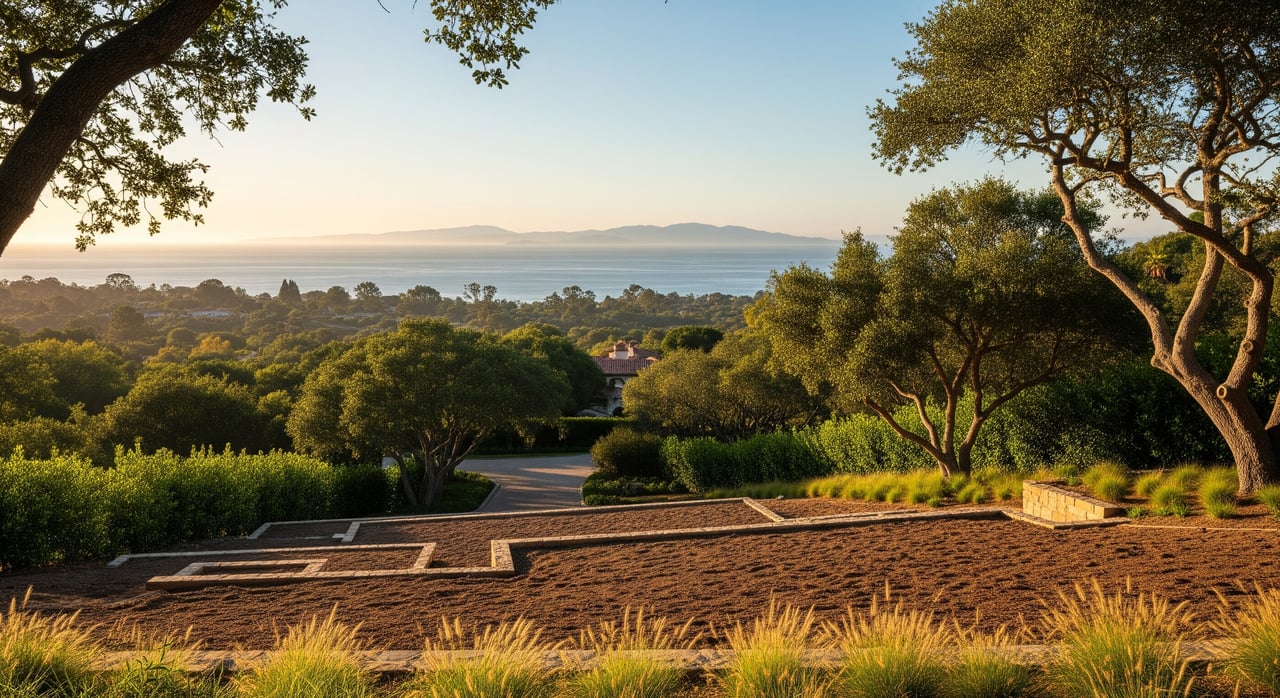
In Hope Ranch, location sets the tone for value. Oceanfront and bluff properties often command the highest premiums because of direct shoreline proximity and potential views. Inland parcels vary by distance to the coast, street setting, privacy, and adjacency to equestrian trails or open space.
Topography and usable area
Not all acreage is equal. Flat or gently sloped lots with a wide, contiguous building area are typically more valuable than steep parcels that require complex grading or engineered foundations. Focus on usable square footage within the buildable envelope after setbacks and slope constraints, not just gross lot size.
Views and orientation
Clear ocean, sunset, and mountain views can materially increase value. Orientation matters for light and view corridors, and so does the potential to protect views from future neighboring development. Understand where the best sightlines are today and how they could change.
Access, utilities, and roads
Gated entries and private roads contribute to privacy and may include shared maintenance obligations. Verify whether the lot has public sewer or will require septic, and confirm availability of water, electricity, gas, and broadband. Off-site extensions or utility easements can add cost and affect value.
Zoning and community rules
County zoning and the General Plan guide lot coverage, height limits, setbacks, and allowable uses. Hope Ranch also has CC&Rs and community standards that influence design, materials, fencing, landscaping, and equestrian uses. Understand what you can build and any limits on building massing or style before pricing a lot.
Environmental and hazard constraints
Coastal-zone rules can add permits and conditions for development. Low-lying or bluff-top areas may require setbacks and engineering due to flood risk, bluff retreat, or sea-level rise. Wildfire hazard classifications influence building materials, defensible space, and insurability. These elements shape the buildable area, cost, and timeline.
Marketability and resale factors
Lot shape, frontage, and privacy influence how a future home will live and show. Buyers often seek floor plans that capture views, indoor-outdoor flow, and the potential for an ADU where permitted. The more flexibility a lot offers for a contemporary design, the more marketable it tends to be.
Taxes, assessments, and fees
Annual property taxes, special assessments, and community dues affect carrying costs. Permit and impact fees, as well as potential coastal-related mitigation, should be factored into development budgets. All of these costs influence what a buyer can justify paying for the land.
How to value a lot: methods that work
Comparable sales in thin markets
The market approach is the first choice when recent land-only sales exist in Hope Ranch. Use the most similar comps and adjust for view, topography, usable buildable area, utilities, and covenants. If land comps are limited, look to nearby neighborhoods with similar coastal dynamics and adjust carefully.
Residual land valuation
When land sales are sparse, estimate the value of a completed home on the lot, then subtract realistic hard costs, soft costs, permit fees, and an appropriate developer profit. The remainder approximates land value. This approach is common in high-end coastal markets where buyers price land based on the finished product they plan to build.
Allocation and per-acre metrics
Some historical sales or appraisals allocate a portion of the price to land vs improvements. These can serve as reference points, but treat them cautiously. Price per acre or per buildable square foot can help benchmark value, but only if you base calculations on usable area rather than gross acreage.
When the income approach applies
The income method is rarely used for single-family lots in Hope Ranch. It can be relevant only if a parcel supports multiple units or an income-producing development. For most lots, stick with market and residual approaches.
Adjustments and premiums checklist
- Ocean or unobstructed view premium vs partial or filtered views
- Large, contiguous, flat build area vs steep or irregular terrain
- Sewer availability vs need for septic system
- Private beach access or proximity to trails and open space
- Easements that limit building area, access, or privacy
- Required off-site improvements or utility extensions
- Height, setback, or design restrictions that limit the desired home
A practical due-diligence path
1) Gather core documents
Start with the parcel APN, recorded deed, and a preliminary title report. Pull Assessor parcel data for lot size, tax history, and any noted exemptions. Collect existing CC&Rs, HOA documents, and any prior permits or studies.
2) Confirm zoning and coastal status
Verify the zoning and General Plan designation with the county and determine whether the parcel sits inside the coastal zone. Note key metrics like setbacks, height limits, lot coverage, and any subdivision rules.
3) Map the buildable envelope
Order an ALTA/NSPS boundary survey to confirm legal lines and recorded encumbrances. A topographic survey will show slopes and contours so you can sketch a likely building footprint. This is essential to understand real-world usability.
4) Assess soils and geology
On sloped, bluff, or complex sites, a geotechnical report helps you anticipate foundation type, grading needs, and potential stabilization measures. These findings can swing development costs and therefore the land’s value.
5) Identify environmental and hazard constraints
Check flood designations, bluff setback rules, wildfire hazard severity, and any potential protected habitat or cultural resource considerations. Expect that coastal-area projects may require additional studies and mitigation.
6) Verify utilities and off-site work
Confirm water, sewer or septic, gas, electricity, and broadband availability. Determine if utility easements exist and whether any off-site extensions or road improvements will be required. Clarify who pays and when.
7) Review access and maintenance
Note whether access is via private or public road and what maintenance obligations or dues apply. Confirm any shared easements for beach access, drainage, or utilities and their impact on privacy and use.
8) Evaluate design potential
Consult an architect or builder experienced with coastal construction to test-fit your desired program. Validate probable square footage, massing within height limits, and how to capture views while respecting setbacks and community standards.
9) Price the full project
Request hard and soft cost ranges from a builder and incorporate permit, impact, and possible coastal-related fees. This allows you to run a residual land valuation that reflects your specific vision, not generic averages.
10) Align with lender and insurer expectations
If you plan to finance, speak with lenders about construction loans tied to lot purchases. Obtain early insurance quotes for wildfire or flood if relevant. Lender and insurer requirements can affect feasibility and timing.
Estimated timelines and cost considerations
Basic feasibility steps like title, zoning checks, and initial surveys can often be completed in weeks. Full permits and entitlements can take months and sometimes longer when coastal approvals or specialized studies are needed. Budget for surveys, geotechnical work, septic or sewer studies, and design fees well before you make a binding commitment.
A careful pre-offer window helps you avoid surprises. Sellers can speed buyer confidence by preparing a disclosure packet with surveys, utility confirmations, and any prior studies. Buyers can protect their position with contingency timelines tied to key milestones like survey completion, preliminary geotechnical findings, or coastal determination.
Buyer and seller tips tailored to Hope Ranch
If you are buying
- Prioritize usable build area and view corridors over gross acreage.
- Validate coastal-zone status and any bluff or flood-related limits early.
- Use residual land valuation to price a lot based on the finished home you want.
- Write offers that include clear feasibility milestones and right-to-cancel triggers if critical conditions are not met.
If you are selling
- Pre-assemble a data room with title, surveys, utility confirmations, and relevant studies.
- Provide a conceptual site plan sketch to illustrate buildable envelope and view potential.
- Disclose known hazards, easements, or maintenance duties so buyers can price risk accurately.
- Price using the best local land comps and supported adjustments for view, usability, and constraints.
Work with local specialists
Hope Ranch land valuation rewards a coordinated team. A local agent with deep knowledge of coastal Santa Barbara can source relevant comps and read between the lines on view, privacy, and buildability. You may also need a licensed appraiser, surveyor, civil engineer, geotechnical engineer, environmental consultant, land-use attorney, and an architect or builder who works in the coastal zone.
If you want a clear, end-to-end plan for buying or selling a Hope Ranch lot, connect with Nico Pollero for discreet guidance, curated sourcing, and access to trusted local professionals.
FAQs
How do I value a Hope Ranch lot with no recent land comps?
- Use nearby land sales where available, then run a residual land valuation based on the finished home you intend to build and realistic soft and hard costs.
How much do ocean views affect Hope Ranch lot prices?
- Views often command significant premiums, but there is no fixed percentage; compare recent view vs non-view sales and factor in how views raise a finished home’s market value.
What coastal regulations could affect my Hope Ranch build?
- Lots in the coastal zone typically need coastal-consistent permits and may require studies or mitigation for bluff setbacks, flood risk, habitat, or cultural resources.
What wildfire or flood risks should I check before buying a lot?
- Confirm any mapped wildfire hazard, flood zone status, and related insurance requirements; these can influence building standards, carrying costs, and lender approval.
Do Hope Ranch CC&Rs limit what I can build?
- Community standards and CC&Rs can shape building size, exterior materials, landscaping, fencing, and equestrian uses, so review them alongside county zoning.
What professionals should I hire for a Hope Ranch lot purchase?
- Engage a local agent, surveyor, civil and geotechnical engineers, an architect, an appraiser, an environmental consultant, a land-use attorney, and a builder experienced with coastal projects.