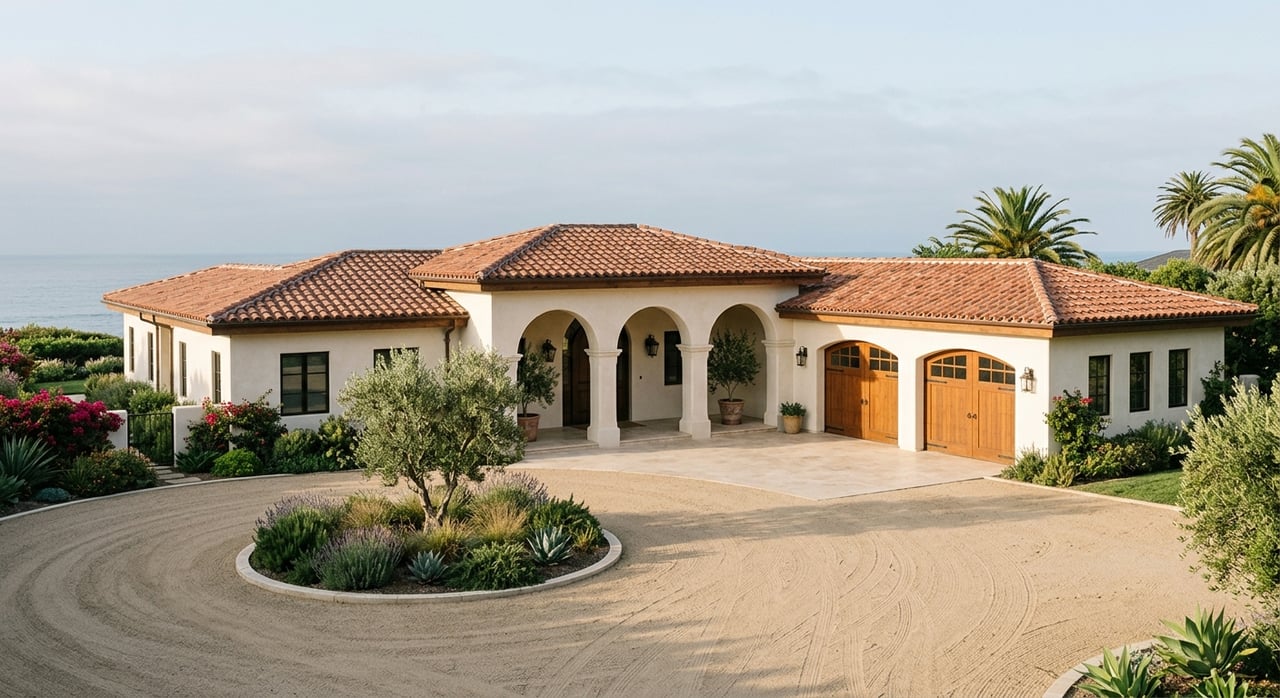
If you are getting ready to sell in Hope Ranch, presentation is not just about fresh paint and polished countertops. In a market where the median sale price reached $8.8 million in February 2026, buyers often assess the estate as a full package, including the home, grounds, privacy, access, and overall condition. When you prepare thoughtfully and early, you can reduce surprises, protect your timeline, and bring your property to market with more confidence. Let’s dive in.
Why Hope Ranch prep is different
Hope Ranch has a unique combination of luxury pricing, large lots, and community standards. According to Redfin’s Hope Ranch housing market data, this is a high-value market, and buyers tend to look closely at how an estate lives both indoors and out.
That approach also fits the standards set by the Hope Ranch Park Homes Association. Its governing documents are designed to preserve the area’s rural character, architectural standards, view corridors, and shared amenities, which means exterior condition and site presentation matter from the start. In practical terms, your launch plan should treat the house, landscape, and logistics as one coordinated project.
Start with HOA and exterior rules
Before you schedule photography or line up contractors, review the Hope Ranch rule book and building guidelines. Many exterior changes require association review, and the guidelines state that structures and grounds should be maintained in a high state of repair and appearance.
This matters because some last-minute improvements that seem simple elsewhere may need more planning here. If you want to adjust landscaping, refresh exterior elements, or change anything visible from the road, it is smart to confirm what is allowed before work begins.
Signage is also more limited than in many other neighborhoods. Hope Ranch allows one temporary For Sale sign, limits open house signs, and generally does not permit construction signs, so launch planning should include sign coordination well before your listing goes live.
Handle disclosures and inspections early
California sellers of most one-to-four unit residential properties must provide the Real Estate Transfer Disclosure Statement. The California Department of Real Estate also notes that agents must conduct a reasonably competent visual inspection of accessible areas and disclose material facts affecting value, desirability, and intended use.
A pre-list inspection is not required, but it can still be a smart move. The National Association of Realtors notes that pre-list inspections can help surface issues early and reduce surprise negotiations later.
For a large estate, early inspection work can be especially valuable. Buyers at this price point often pay close attention to visible maintenance items and major systems, so identifying concerns before you launch can help you decide what to repair, what to disclose, and how to present the property with clarity.
Key disclosure items to review
Your exact disclosure package will depend on the property, but several items commonly deserve early attention:
- Transfer Disclosure Statement requirements under California law
- Inspection reports that may be used as substituted disclosures where subject matter overlaps
- Structural pest control reports if required by the contract or lender
- Lead-based paint disclosures for homes built before 1978, including the EPA pamphlet and buyer opportunity to inspect for lead hazards
When these items are organized in advance, your listing process tends to feel more controlled and professional.
Address wildfire compliance before listing
In Hope Ranch, fire-zone preparation is not optional background work. The Hope Ranch building guidelines state that the Santa Barbara County Fire Department designated Hope Ranch a high fire hazard zone.
Santa Barbara County adds a specific sales requirement here. The county says that if a property is in a high, very high, or county-defined fire hazard severity zone, the seller needs documentation of a compliant defensible-space inspection, and the report must show compliance within six months before entering into a sales contract. You can review those requirements through the Santa Barbara County Fire Department Defensible Space Program.
If your property does not pass the first inspection, there is still a path forward through reinspection or a buyer agreement for later compliance. Even so, it is usually better to start this process early so it does not delay your timeline once interest builds.
Improve what buyers see first
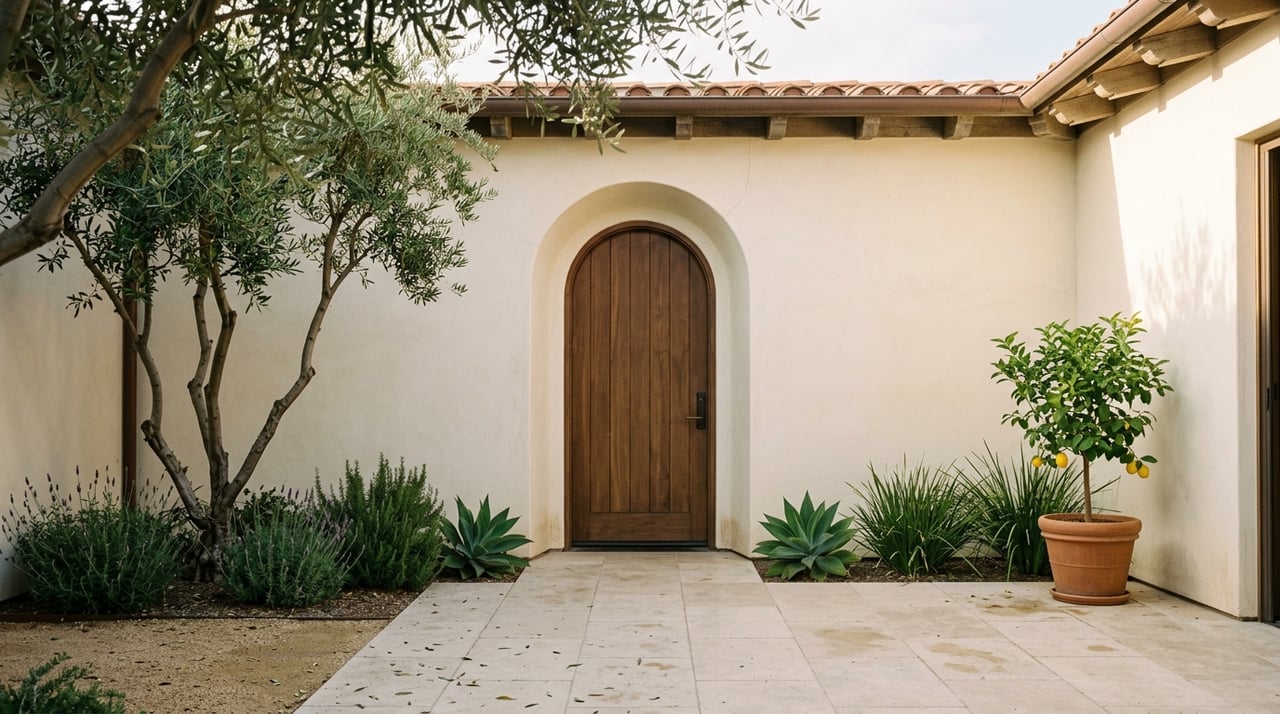
Luxury buyers usually form opinions long before they study a disclosure packet. That is why the visible condition of your estate, from the front approach to the rear grounds, should be addressed before photography and private showings begin.
The 2025 Profile of Home Staging snapshot from NAR found that 83% of buyers’ agents said staging makes it easier for buyers to visualize a home as their future residence. The most commonly staged rooms were the living room, primary bedroom, and dining room.
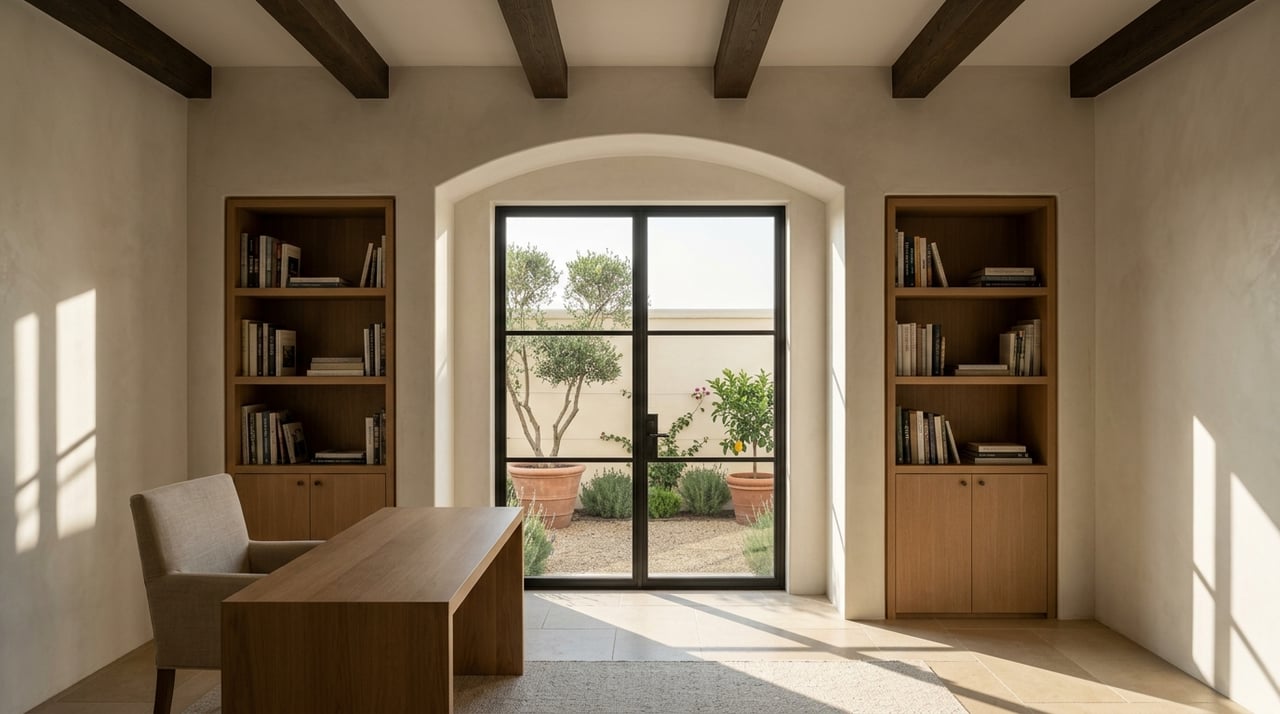
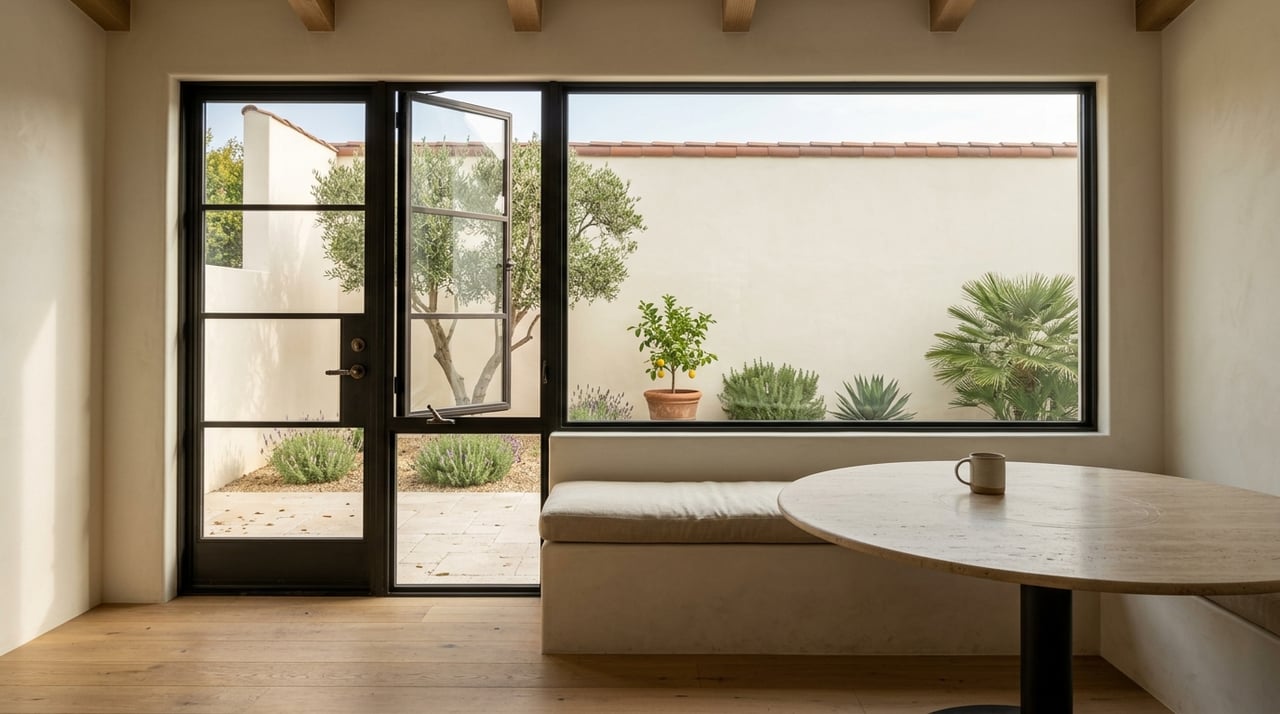
For a Hope Ranch property, that suggests a clear priority list. Focus first on principal entertaining rooms, the primary suite, and the spaces that connect interior living to patios, lawns, terraces, or other outdoor areas.
Rooms to prioritize
- Living room
- Primary bedroom
- Dining room
- Entry sequence and major hallways
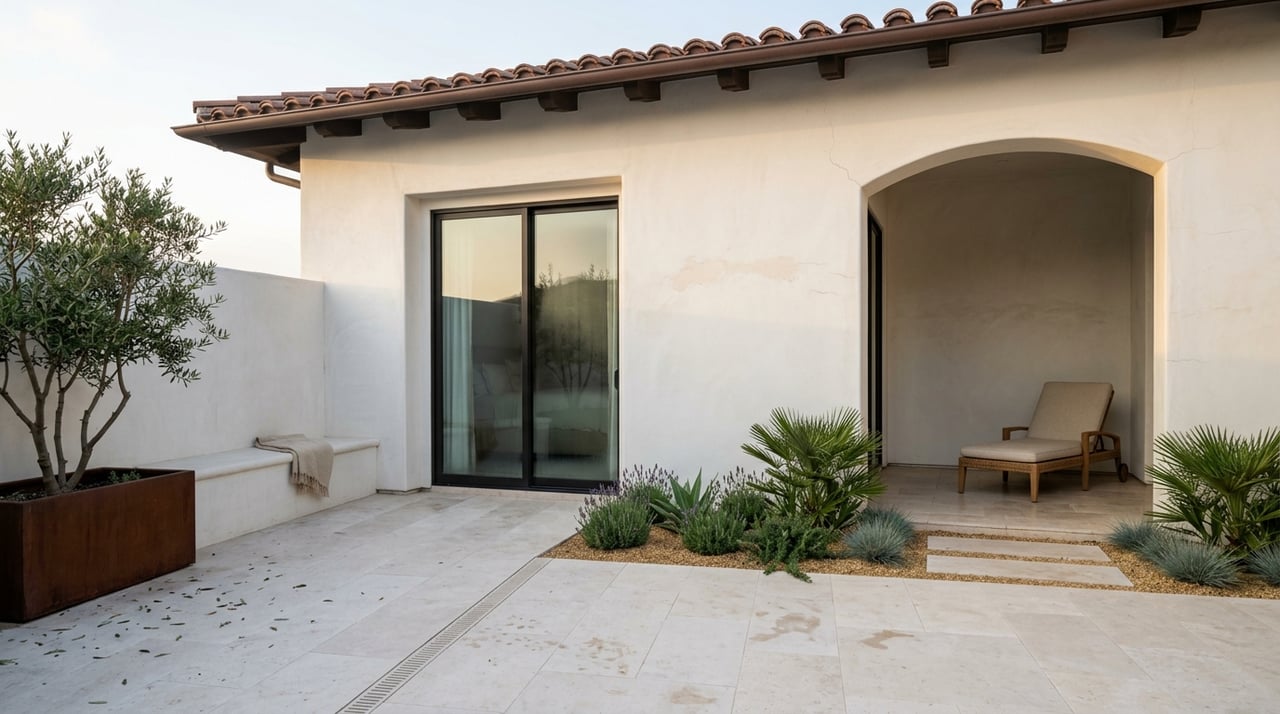
- Indoor-outdoor entertaining spaces
You do not need to over-style every room. Instead, aim for clean sight lines, balanced scale, and a calm presentation that helps buyers understand the layout and setting.
Treat landscaping as part of the sale
In Hope Ranch, landscape work is not cosmetic fluff. It is part of how buyers judge upkeep, privacy, circulation, and safety.
The building guidelines require owners to keep structures, landscaping, and other improvements in a high state of repair and appearance. They also address sight lines along roads and driveways, bridle-trail clearances, and fire-resistant landscaping.
That means your exterior prep should go beyond mowing and blowing. A strong landscape pass often includes selective pruning, driveway edge cleanup, irrigation checks, debris removal, and refinement of high-visibility areas near gates, motor courts, patios, and pool zones.
Pruning the right way
If your property has mature trees, hedges, or established view corridors, avoid aggressive topping. Hope Ranch guidelines prefer techniques such as lacing, thinning, vista pruning, and crown reduction over severe pruning.
That approach helps preserve the look of the property while improving light, openness, and views where appropriate. It can also reduce the risk of making the grounds feel stripped back just before launch.
Prepare equestrian areas if applicable
If your estate includes barns, corrals, paddocks, or other equestrian features, those spaces need the same level of attention as the main house. Buyers notice whether support areas feel orderly, maintained, and ready for use.
The Hope Ranch rule book requires regular manure pickup and prohibits outdoor storage or debris that creates fire hazards or visible clutter. Before listing, clean and organize these areas so they support the property’s presentation rather than distract from it.
A simple checklist can help:
- Remove unused equipment and visible clutter
- Clean stalls, paddocks, corrals, and feed areas
- Address manure storage and pickup practices
- Trim vegetation around structures and fence lines
- Confirm drive aisles and access points feel open and functional
Reduce launch-day friction
Some of the most common problems during listing prep are not dramatic. They are the smaller details that create visual noise or operational stress.
Hope Ranch rules specifically address issues such as outdoor storage, trash containers, obstructed roads or driveways, and exterior lighting glare. The rule book says lighting should be hooded or deflected to reduce glare and light trespass, and common areas should remain unobstructed.
Before you launch, walk the property with fresh eyes and look for anything that could interrupt the first impression. Trailers, visible bins, parked vehicles, unfinished landscape work, or poorly placed contractor materials can all weaken the sense of readiness buyers expect.
Follow a smart listing sequence
For many Hope Ranch sellers, the smoothest path is to work in a clear order rather than trying to do everything at once. Based on California disclosure rules, county fire requirements, and Hope Ranch exterior-review standards, the most practical sequence is straightforward.
Recommended prep timeline
- Verify HOA rules, exterior-review needs, and sign limitations
- Confirm fire-zone status and schedule defensible-space inspection
- Complete pre-list inspections and gather disclosure-related documents
- Tackle repairs that could become material concerns
- Finish landscaping, cleanup, and exterior presentation work
- Stage the main living spaces and indoor-outdoor areas
- Photograph, finalize marketing, and go live
This kind of sequencing helps protect your momentum. It also reduces the chance that a late inspection result or overlooked exterior issue will force a rushed change in plans.
Bring the estate to market as a complete package
In Hope Ranch, buyers are often purchasing more than square footage. They are evaluating the relationship between the home, the land, privacy, exterior condition, compliance, and the way the property functions day to day.
That is why the strongest listing launches usually come from a coordinated plan, not a patchwork of last-minute fixes. When inspections, defensible space, landscaping, staging, and HOA logistics are handled with care, your home is better positioned to make a strong first impression and support a smoother transaction.
If you are thinking about selling in Hope Ranch, working with a local advisor who understands luxury presentation, association logistics, and discreet marketing can make the process far more manageable. To plan your next steps, connect with Nico Pollero for a private consultation.
FAQs
What should you do first when preparing a Hope Ranch estate for market?
- Start by reviewing HOA rules, exterior approval needs, signage limitations, and wildfire compliance requirements before scheduling major prep work.
Do Hope Ranch sellers need a defensible-space inspection before selling?
- If the property is in a qualifying fire hazard severity zone, Santa Barbara County requires documentation showing compliant defensible space within six months before entering into a sales contract.
Is a pre-list inspection required for a Hope Ranch home sale?
- No, a pre-list inspection is not mandatory, but it can help identify issues early and reduce surprise negotiations later.
What areas matter most when staging a Hope Ranch estate?
- Prioritize the living room, primary bedroom, dining room, and key indoor-outdoor entertaining spaces so buyers can easily understand how the property lives.
How do Hope Ranch signage rules affect listing launch plans?
- Because For Sale and open house signs are limited by association rules, it is important to coordinate signage and showing logistics early.
What exterior issues should sellers fix before showings in Hope Ranch?
- Focus on landscaping cleanup, sight-line pruning, defensible space, outdoor clutter removal, lighting glare, driveway presentation, and any unfinished visible work.