Trying to choose between coastal and inland Goleta? That decision can shape how you spend your mornings, how easily you run errands, and what kind of home environment feels right for you. If you are weighing beach access against day-to-day convenience, or a denser coastal setting against a more traditional suburban feel, this guide will help you compare the tradeoffs clearly. Let’s dive in.
How Goleta Is Generally Laid Out
Goleta is a compact city of a little over 32,000 residents spread across roughly 8 square miles of coastal plain between the Santa Ynez Mountains and the Pacific Ocean. The city describes Goleta as a mix of single-family homes, apartments, Old Town commercial areas, shopping centers, businesses, farms, and open space.
For practical purposes, you can think of coastal Goleta as the ocean-facing edge near Ellwood Mesa, Goleta Beach, and the UCSB and Isla Vista fringe. Inland Goleta generally includes areas such as Old Town, Los Carneros, Cathedral Oaks, and the Hollister and Fairview corridor.
This is not a formal neighborhood boundary system, but it is a useful way to compare lifestyle and housing patterns. In a city as compact as Goleta, even small shifts in location can change your routine in a meaningful way.
Coastal Goleta at a Glance
Coastal Goleta tends to appeal to people who want the ocean to play a bigger role in daily life. You may be closer to shoreline access, beach trails, UCSB, and the airport, which can make the area feel more connected to outdoor recreation and regional travel.
The setting often feels more compact near the coast. In areas influenced by the UCSB and Isla Vista environment, housing is generally denser and more apartment or condo oriented than many inland pockets.
That coastal convenience can be a real advantage if your work, school, or lifestyle centers around campus, the airport, or the beach. If you picture quick access to trails, bluff views, or a bike ride toward the shore, coastal Goleta may feel like a natural fit.
Inland Goleta at a Glance
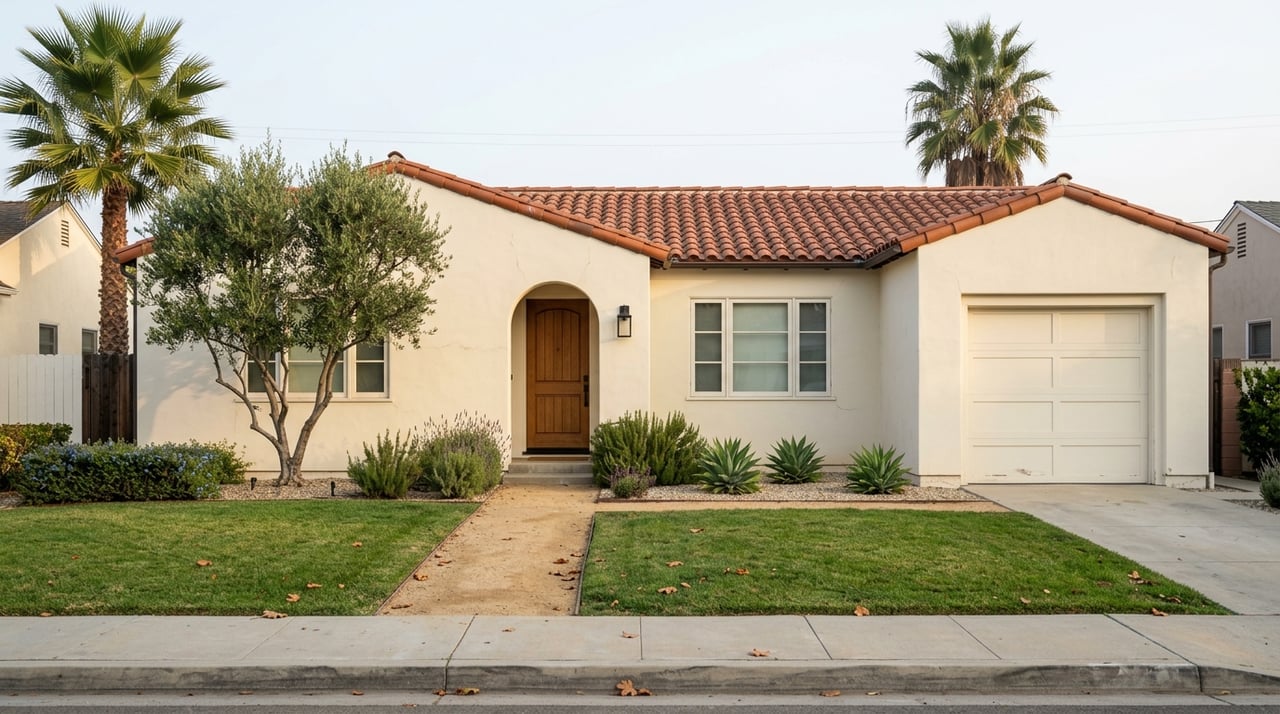
Inland Goleta usually offers a more traditional suburban pattern. Many neighborhoods north of the core are associated with ranch-style single-family homes, and the city’s housing survey found that most single-family homes citywide are one-story, with northern areas especially ranch-heavy.
Old Town has a different feel. It is more varied in age, housing style, and intensity, with a mix that includes residential and commercial uses and some higher-density planning patterns.
In everyday life, inland Goleta often works well for people who want a more central errands base. Access to Old Town, the Hollister corridor, community services, and shopping can make daily routines feel simpler and more predictable.
Housing Style and Space Differences
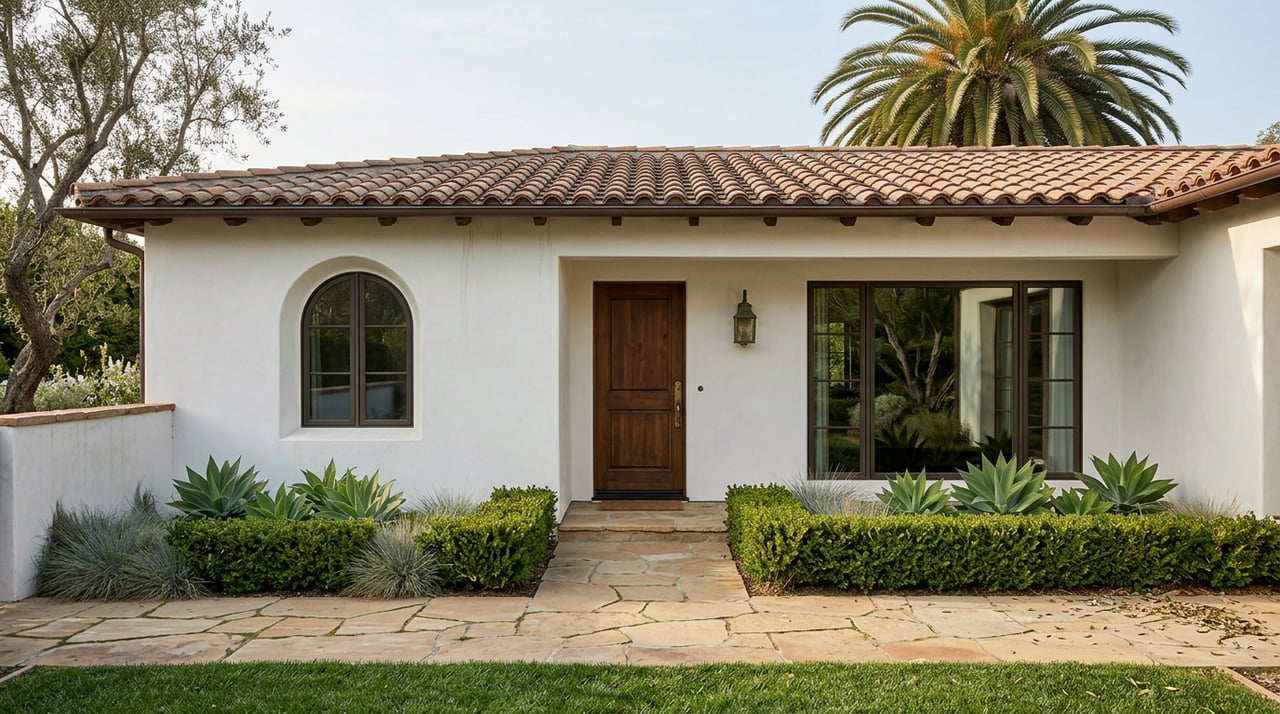
One of the clearest differences between coastal and inland Goleta is housing type. Inland areas tend to lean more toward detached single-family homes with a classic suburban layout, while coastal and campus-adjacent areas tend to include more apartments and condos.
That often affects how private outdoor space feels. Inland single-family pockets usually offer more yard space and a more conventional detached-home feel, while coastal pockets near denser housing patterns may have smaller private lots or more shared outdoor space.
If you want a home base that feels more settled and residential, inland Goleta may check more boxes. If you are comfortable with a denser setting and prioritize location over private outdoor area, coastal Goleta may offer a stronger lifestyle match.
Daily Convenience and Commute Patterns
Goleta’s employment and transportation picture matters when comparing these two lifestyles. The city points to UCSB, the Santa Barbara Airport, and local business activity as major anchors, and residents also have access to MTD bus routes, regional rail connections, bike networks, and The Wave on-demand transit service.
If your routine is tied to UCSB, nearby work hubs, or frequent airport access, coastal Goleta can be especially practical. You may spend less time crossing town and more time using the amenities that drew you there in the first place.
Inland Goleta usually has the edge for errands and central services. The city describes Old Town as the heart of the community, and Hollister Avenue includes businesses, shopping, and civic destinations like the Goleta Community Center and Goleta Valley Library.
Outdoor Access and Everyday Lifestyle
Outdoor access is one of Goleta’s biggest strengths overall. The city says it has about 550 acres of parks and open space, and 97% of households are within a half-mile walk of a public park.
Coastal Goleta has the clearest advantage if beach access is high on your list. Ellwood Mesa offers 137 acres of natural terrain with designated trails and beach access, and Goleta Beach Park adds another major public shoreline amenity with a beach, pier, and access to the paved trail system.
Inland Goleta still delivers strong outdoor access, but in a different way. Lake Los Carneros offers walking, biking, wildlife viewing, and fishing, which can make inland living especially appealing if you want nearby green space without being right on the shoreline.
This is where your personal rhythm matters most. Some buyers want the coast to be part of daily life, while others prefer parks, paths, and open space closer to a quieter residential setting.
Risk and Exposure Considerations
Lifestyle is only part of the equation. In Goleta, location also affects the types of physical exposure you may want to evaluate more closely.
The city’s Safety Element notes that much of Goleta’s coastline includes sea cliffs and coastal bluffs that are subject to erosion and retreat. It also states that low-lying shoreline areas and places near sloughs and coastal streams are most susceptible to tsunami hazards.
Coastal buyers should also keep airport proximity in mind in some areas, since the Santa Barbara Airport sits adjacent to Goleta’s boundary. Depending on the property, that may be part of the overall setting you want to consider.
Inland living is not free of risk either. The city notes substantial 100-year floodplain acreage in Old Town east of Fairview Avenue, and it also identifies slope-failure potential north of Cathedral Oaks Road.
The key takeaway is simple: this is not a coastal-versus-safe inland decision. It is a question of which combination of access, housing type, convenience, and environmental exposure fits your priorities best.
Which Goleta Lifestyle Fits You Best?
If you are drawn to beach access, a more compact setting, and proximity to UCSB or the airport, coastal Goleta may be the stronger fit. It often suits buyers who want scenery, outdoor access, and a location tied closely to the shoreline.
If you prefer traditional single-family housing, a more suburban feel, and easier access to Old Town and Hollister-area services, inland Goleta may be the better match. It often suits buyers who want a practical home base with strong day-to-day convenience.
Neither option is automatically better. The right choice depends on how you live, where you need to go most often, and what type of home environment helps you feel at ease.
If you are comparing specific Goleta neighborhoods, home styles, or off-market opportunities, working with a local advisor can help you sort through the tradeoffs with more confidence. To explore your options with discreet, local guidance, connect with Nico Pollero.
FAQs
What is the difference between coastal and inland Goleta?
- Coastal Goleta generally refers to the ocean-facing areas near Ellwood Mesa, Goleta Beach, and the UCSB and Isla Vista fringe, while inland Goleta typically includes Old Town, Los Carneros, Cathedral Oaks, and the Hollister and Fairview corridor.
Is coastal Goleta better for beach access and outdoor recreation?
- Yes, coastal Goleta typically offers easier access to shoreline amenities such as Ellwood Mesa trails, beach access points, and Goleta Beach Park.
Does inland Goleta have more single-family homes?
- In general, yes. Inland Goleta tends to have more traditional single-family neighborhoods, especially in northern areas where ranch-style homes are common.
Is inland Goleta more convenient for errands and services?
- Inland Goleta often has an advantage for daily convenience because Old Town and the Hollister corridor include businesses, shopping, and community destinations such as the library and community center.
Are there environmental risks in both coastal and inland Goleta?
- Yes. Coastal areas may involve bluff erosion and tsunami-related exposure in low-lying shoreline zones, while some inland areas include floodplain exposure in parts of Old Town and slope-failure potential north of Cathedral Oaks Road.
Is coastal or inland Goleta better for living near UCSB?
- Coastal Goleta is typically the closer fit for people whose routine is tied to UCSB, Isla Vista, nearby employment, or airport access.