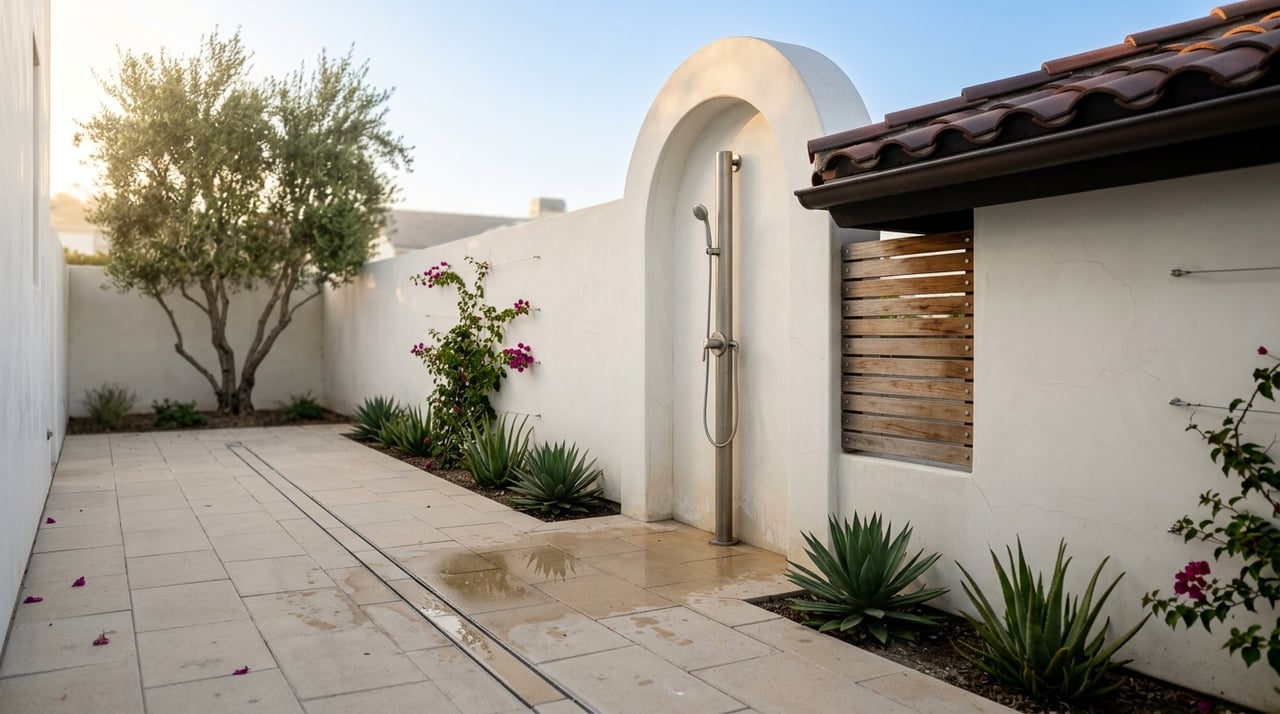
Dreaming about waking up steps from the sand in Carpinteria? It is easy to focus on the view, the breeze, and the beach-town charm. But before you buy, it helps to understand how ownership, coastal risk, and local rules can shape your experience and your long-term costs. If you are considering a beach home here, this guide will help you look past the postcard and buy with more confidence. Let’s dive in.
Carpinteria beach homes are not all the same
Carpinteria’s beach-home market is small, distinctive, and shaped by coastal planning rules. The city sits entirely within the California coastal zone, and its General Plan and Coastal Land Use Plan are central to preserving the area’s small beach-town character.
That matters because a “beach home” in Carpinteria can mean more than one type of property. You may find detached cottages, attached units in low-rise buildings, and homes in settings where future additions or exterior changes are shaped by local design standards.
In and around the Beach Neighborhood, the city describes a mix of single-family homes, multi-unit buildings, and the Silver Sands Mobile Home Park. Local design guidelines emphasize historic bungalow character, one- to two-story scale, front porches, and pitched roofs.
Design rules can affect future plans
If you are buying with renovation ideas in mind, Carpinteria’s local standards deserve close attention. In the Beach Neighborhood, design review tends to favor smaller-scale forms and rooflines that fit the existing coastal character.
The city’s coastal resiliency policies also say major redevelopment should include adaptive design elements that support sea-level-rise resilience. In practical terms, that means your vision for expansion, rebuilding, or major exterior work may be shaped by more than your lot size or budget.
For buyers, this is a key mindset shift. You are not only buying a home near the beach. You are also buying into a local planning framework that can affect how the property changes over time.
Ownership structure matters more than many buyers expect
One of the biggest questions to answer early is whether the property is fee-simple or part of a common interest development, often called an HOA community. In California, the Department of Real Estate says common interest developments include common areas and facilities operated by an owners’ association, with mandatory membership, governing documents, and assessments.
That structure can change your day-to-day ownership experience. A fee-simple detached home often gives you more direct control over the structure and site, while an HOA-governed property usually involves shared rules, shared maintenance obligations, and board decisions that may affect future costs.
Neither option is automatically better. The right fit depends on how much control you want, how much shared maintenance you are comfortable with, and how predictable you want expenses to be.
What to review in an HOA property
If the beach home is part of a common interest development, review the association documents carefully before you move forward. The California Department of Real Estate advises buyers to study the governing instruments closely.
Pay special attention to:
- CC&Rs and architectural rules
- Current monthly assessments
- Reserve funding and reserve studies
- Recent repair history
- Any recent or planned special assessments
- Owner maintenance responsibilities versus HOA responsibilities
Reserve studies matter because they estimate the cost and timing of major long-term replacements such as roofs and pavement. California reserve funding rules also require plans to show when regular or special assessments may need to change to support reserves.
Coastal risk is part of the ownership picture
Inland buying logic does not always translate to a beach market. Carpinteria’s Coastal Resiliency Element says low-lying areas, including the Beach Neighborhood, face coastal flooding from storm surges, wave attack, loss of sediment, and rising sea levels. The city also identifies bluff erosion as another serious local hazard.
This does not mean every beach-area property carries the same level of exposure. It does mean you should look closely at the home’s exact location, elevation, and relationship to the shoreline rather than assuming all “close to the beach” properties are equal.
Carpinteria’s shoreline is dynamic. The city notes that debris basins can affect how much sediment reaches the beach, and when sediment is not returned, beach narrowing and shoreline erosion can threaten private property.
That is an important reality check for buyers. A beachfront lifestyle here is connected to a changing coastal environment, not a fixed line on a map.
Floodplain and insurance questions to ask
Before you buy, check the property’s floodplain status and review any flood-insurance implications. Carpinteria’s floodplain management resources direct owners to FEMA resources and flood-hazard determination letters, which can help clarify current mapping and hazard context.
You should also confirm whether the property appears in current FEMA-related map updates that may affect how risk is viewed over time. This is especially important if you are comparing two homes that seem similar on the surface but sit in very different risk positions.
Salt air and moisture can raise maintenance costs
Beach living has a maintenance side that buyers sometimes underestimate. Coastal exposure can speed up wear on building materials, especially when salt spray, moisture, and humidity are part of daily conditions.
NOAA guidance notes that salt spray can corrode building materials, moisture can decay pilings, and humidity can increase termite problems in coastal areas. The California Coastal Commission also notes that sea-level rise can increase flooding, wave impacts, erosion, sediment changes, and saltwater intrusion that may affect structures and infrastructure over time.
For you as a buyer, that means condition matters a great deal. A home’s exterior materials, windows, roofing, drainage, and deferred maintenance history may matter just as much as its view.
Look beyond the staging
When touring a beach home in Carpinteria, take a closer look at the parts of the property that coastal wear tends to affect first. Cosmetic updates can be appealing, but your decision should also reflect the home’s durability and maintenance outlook.
Focus on items such as:
- Signs of corrosion on metal components
- Moisture-related wear or staining
- Condition of exterior finishes
- Roofing age and exposure
- Drainage and site runoff patterns
- Evidence of deferred exterior maintenance
Remodeling near the coast can be more complex
If you are buying a property with plans to improve it, expect the process to be more involved than it may be inland. Carpinteria says development in the coastal zone generally requires a Coastal Development Permit, and even preapproved ADU plans still require one.
That can affect your timeline, budget, and design options. It is wise to evaluate the property not only for what it is today, but also for what you realistically can and cannot do with it later.
The city also requires development projects to prevent sediment and other construction pollutants from entering storm drains. Earthwork typically requires an erosion-and-sediment-control plan or SWPPP, and projects must be designed to prevent water-quality impacts throughout the life of the property.
For buyers planning renovations, these rules are not just technical details. They can shape project scope, consultant needs, construction timing, and overall carrying costs.
Beach proximity can support value, but it is not the only factor
Homes near the sand often attract strong demand, and Carpinteria’s housing FAQ notes that the Coastal Act recognized that coastal conservation could contribute to a general increase in home values. Research on beach amenities also shows that beachfront location can command a premium, while prices often decline as distance from the beach increases.
Still, the closest home to the water is not always the best fit or the strongest long-term choice. In Carpinteria, value is often a tradeoff between amenity and exposure.
A home with excellent access and views may also come with higher exposure to flooding, erosion, corrosion, HOA costs, or maintenance demands. Meanwhile, a property set slightly farther back may offer a more comfortable balance of access, condition, privacy, parking, and long-term ownership costs.
The details that can matter as much as distance
When comparing beach homes in Carpinteria, try to weigh the full picture. Distance to sand matters, but so do several other factors that affect daily use and future resale.
Look closely at:
- Elevation and shoreline exposure
- Parking and ease of access
- Overall condition
- Permit history
- Ownership structure
- Likely future maintenance needs
- Whether local design standards may limit changes
Utility and service details are worth confirming
Carpinteria is not a full-service city and relies on special districts for services that include water and sanitation. That makes it important to confirm utility providers and understand the property’s service context during your due diligence.
These details may not be as exciting as the location, but they are part of smart coastal buying. Knowing who provides what, and how service responsibilities are structured, can help you avoid surprises after closing.
A smart Carpinteria beach-home checklist
If you want a simple way to stay organized, start with this buyer checklist:
- Confirm whether the property is fee-simple or HOA-governed
- Review CC&Rs, budgets, reserves, and any special assessments
- Check floodplain status and current flood mapping context
- Ask about insurance implications tied to location and exposure
- Review condition with coastal wear in mind
- Verify permit history for past work
- Confirm whether future improvements would require a Coastal Development Permit
- If near the Beach Neighborhood, review applicable design standards
- Confirm utility providers and special-district service setup
Buying a beach home in Carpinteria can be a wonderful move, but it is rarely a casual one. The best purchases happen when you balance lifestyle goals with clear-eyed due diligence.
With the right guidance, you can look beyond the view and evaluate what really matters: ownership structure, resilience, maintenance, future flexibility, and long-term value. If you want help navigating Carpinteria’s coastal inventory, off-market opportunities, or renovation potential, Nico Pollero offers discreet, high-touch guidance tailored to Santa Barbara’s beach communities.
FAQs
What makes buying a beach home in Carpinteria different from buying inland?
- Carpinteria beach homes are shaped by coastal-zone rules, local design standards, flood and erosion considerations, and higher exposure to salt air and moisture, which can all affect costs and future plans.
What should buyers review before purchasing an HOA beach property in Carpinteria?
- You should review the CC&Rs, bylaws, assessments, reserve studies, repair history, special assessments, architectural rules, and who handles specific maintenance responsibilities.
Do remodeling projects for Carpinteria beach homes usually need extra approvals?
- Yes. Because Carpinteria is in the coastal zone, development generally requires a Coastal Development Permit, and site work may also involve erosion and sediment control requirements.
How do flood and erosion risks affect Carpinteria beach-home decisions?
- The city identifies coastal flooding, wave attack, sediment loss, sea-level rise, and bluff erosion as local hazards, so buyers should evaluate exact location, elevation, and shoreline exposure carefully.
Does being closer to the beach always mean a better Carpinteria investment?
- Not always. Beach proximity can support value, but elevation, condition, ownership structure, maintenance demands, parking, and exposure to coastal hazards can be just as important.