If you are dreaming about a second home on the Santa Barbara coast, Summerland is one of the first places worth a serious look. It offers a small beach-town feel, quick access to the shoreline, and close proximity to Santa Barbara, Montecito, and Carpinteria, which gives you more flexibility than you might expect. In this guide, you’ll learn how Summerland compares with nearby beach towns, what ownership costs and usage rules can affect your plans, and how to think strategically about the right fit for your lifestyle. Let’s dive in.
Why Summerland appeals to second-home buyers
Summerland sits between Santa Barbara and Carpinteria in Santa Barbara County’s South Coast corridor. That location matters because it places you in a compact coastal cluster rather than a stand-alone destination. You can enjoy a quieter home base while staying connected to restaurants, transportation, and everyday conveniences nearby.
The area is also practical for part-time living. Santa Barbara is reached by Highway 101, Amtrak, Santa Barbara Airport, and shuttle connections to LAX, which can make weekend use or frequent short stays more manageable. If easy in-and-out access is part of your second-home plan, that regional network is a real advantage.
Summerland itself has a classic beach-town setting. Local visitor information points to direct beach access at Summerland Beach near Lookout Park, with dining options a short walk away in town rather than directly on the sand. For many buyers, that creates a more relaxed rhythm that feels coastal without feeling busy.
What kind of homes you’ll find
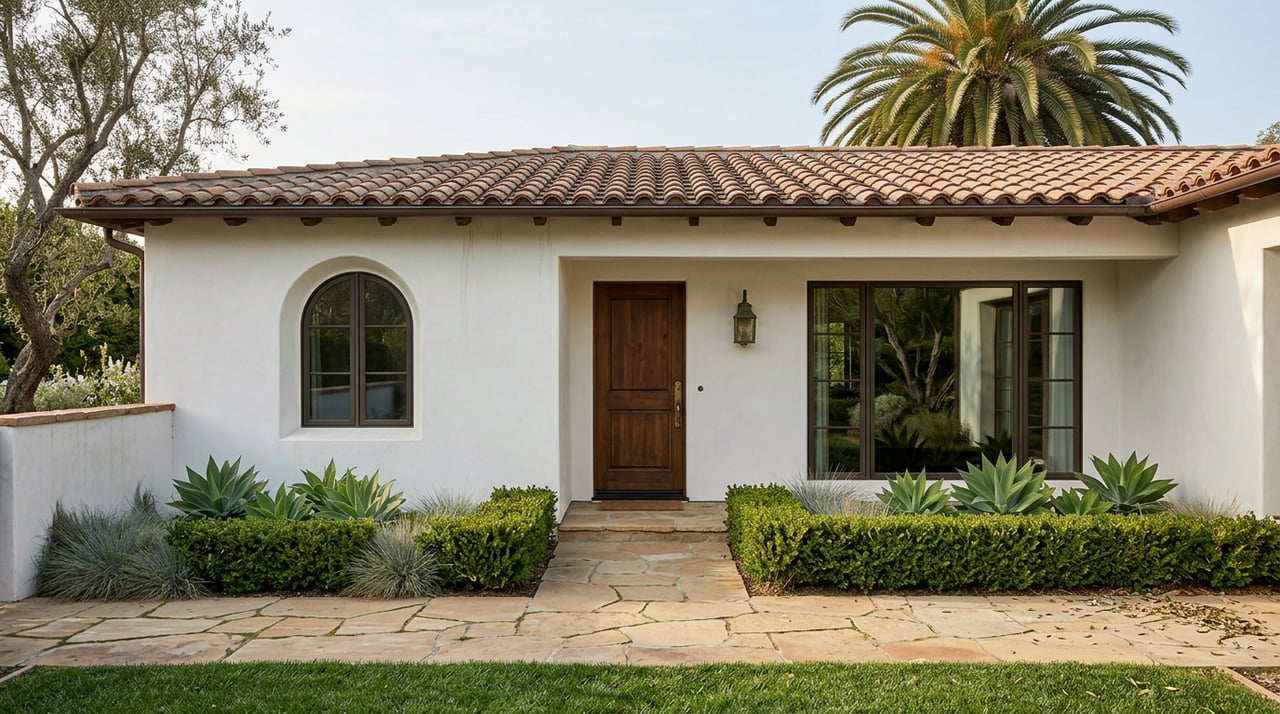
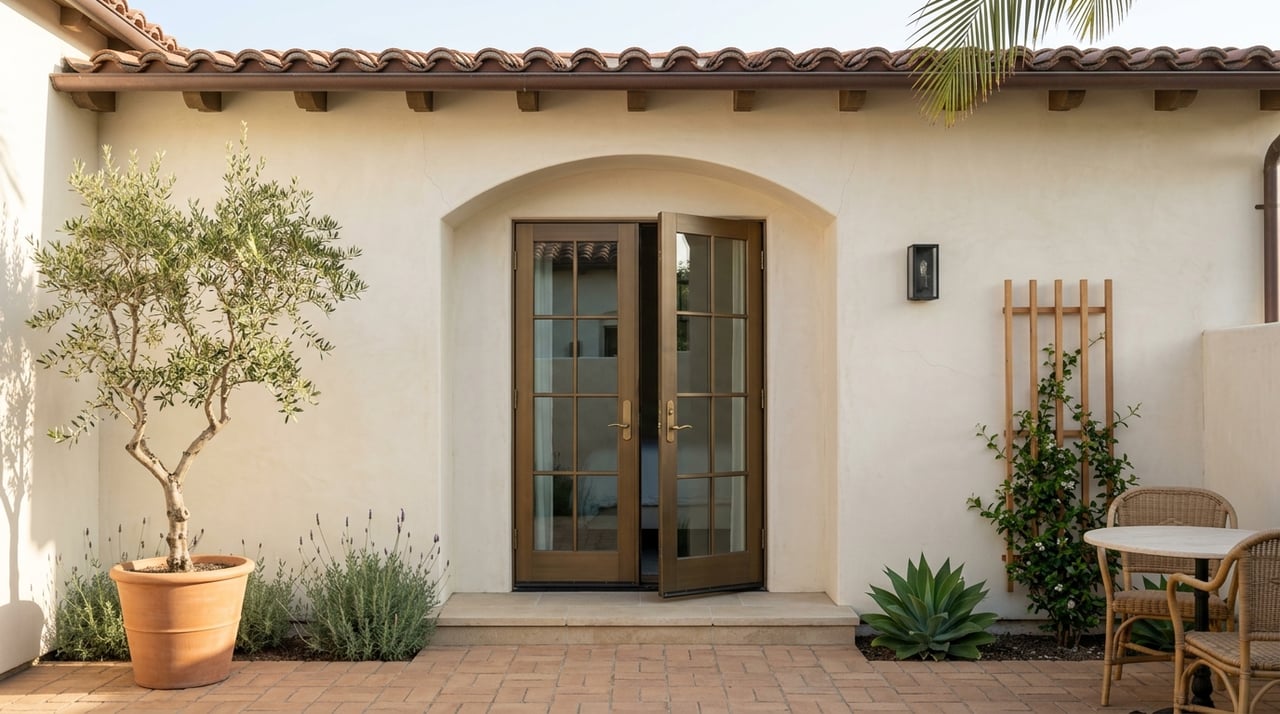
In practical terms, Summerland tends to offer a more character-driven housing mix. Local market guides describe inventory that includes beach cottages, vintage bungalows, updated coastal homes, and hillside properties with ocean views. That often appeals to buyers who want charm, views, and a more distinctive setting.
Compared with larger suburban markets, the housing stock here typically leans toward small-to-mid-size residences. For a second home, that can be a plus if you want something easier to lock, leave, and maintain. It can also mean inventory feels limited, especially if you have a very specific wish list.
Comparing Summerland to nearby beach towns
Summerland vs. Carpinteria
Carpinteria is one of the clearest alternatives if walkability is high on your list. The city describes itself as a coastal community with small-town charm, with city and state beaches along its oceanfront. Its downtown core is pedestrian-oriented and connects town to the beach through storefronts, restaurants, and mixed-use development.
The city also identifies a mix of single-family homes, condominiums, multi-unit buildings, and a mobile home park in the Beach Neighborhood. That variety can be appealing if you want lower-maintenance options or a more compact ownership experience. If your ideal second home centers on easy walks to shops, restaurants, and the beach, Carpinteria deserves close attention.
Summerland, by contrast, often feels smaller and more village-like. It may suit you better if you want a quieter setting with quick beach access and a little more separation from a busier main street environment. Both have strong coastal appeal, but the day-to-day feel is different.
Summerland vs. Montecito
Montecito offers a very different type of second-home experience. The Montecito Community Plan includes areas with relatively low residential density, including one unit per acre in some places. That lower-density pattern helps explain why Montecito often attracts buyers looking for more privacy, larger parcels, and a more secluded setting.
The village core still provides shops, restaurants, and professional services, but Montecito is not primarily about compact beach-town walkability. It is more aligned with buyers who value estate scale and a retreat-like atmosphere. If privacy and lot size matter more than being close to a traditional main street, Montecito may be the better fit.
Summerland can offer a more approachable coastal village feel. It is often the middle ground for buyers who want beach access and charm without stepping fully into an estate-oriented market.
Summerland vs. Santa Barbara
Santa Barbara offers the broadest amenity base of the group. The city’s waterfront includes restaurants and harbor services, and its downtown transportation system connects downtown, the Amtrak station, the zoo, the harbor, and the waterfront. That makes Santa Barbara the strongest option for a more active, car-light second-home lifestyle.
If you picture using your second home often and want a wider menu of dining, transit, and waterfront activity, Santa Barbara may be the most versatile base. It delivers a more urban coastal experience than Summerland. For some buyers, that is a major advantage. For others, it may feel busier than they want.
Summerland stands out when your goal is a smaller setting with a more relaxed pace, while still staying close to Santa Barbara’s larger ecosystem. That balance is a big reason it remains appealing.
A simple way to narrow your search
If you are comparing these coastal communities, a quick shorthand can help:
- Carpinteria for compact beach-town walkability
- Summerland for a small coastal village feel with quick beach access
- Montecito for privacy and estate scale
- Santa Barbara for the broadest mix of downtown, waterfront, dining, and transit
This kind of side-by-side thinking can save you time. It helps you focus on how you actually plan to use the home, not just what looks appealing in photos.
Ownership costs to plan for
A second home budget needs to go beyond the purchase price. In California, regular secured property tax bills are mailed by November 1 and paid in two installments. The assessed value generally increases by no more than 2 percent per year unless there is a change in ownership or new construction.
That matters because a purchase can trigger a supplemental assessment and supplemental tax bill. If you are planning your cash flow, it is smart to account for that possibility early. It is one of the most common surprises for buyers who are focused mainly on the down payment and closing costs.
Another important point is the homeowners’ exemption. The California State Board of Equalization states that this exemption is a $7,000 reduction in taxable value for a home that is the owner’s principal place of residence on the lien date. For a second home used occasionally, you should generally budget without assuming that exemption applies.
Short-term rental rules vary by town
If rental income is part of your second-home strategy, this corridor requires careful parcel-by-parcel review. Short-term rental rules are not the same in Summerland, Carpinteria, Santa Barbara, and Montecito. You should never assume that what works in one town will work in another.
In Carpinteria, rentals of 30 days or fewer require a license. New vacation rental licenses are limited to the city’s Vacation Rental Overlay District, and licenses renew annually by June 30. That means even within a beach town that seems rental-friendly, location still matters.
In Santa Barbara, short-term rentals are not permitted in most areas and are unlawful unless permitted and located in zoning districts that allow hotels or motels. For county-administered areas such as Summerland and Montecito, Santa Barbara County maintains its own Short-Term Rental Ordinance and Homestays FAQ. Before you rely on rental income, verify the exact rule for the property you are considering.
Coastal risk and maintenance matter
Owning near the coast can bring a different risk profile than inland ownership. The City of Santa Barbara says its Waterfront Adaptation Plan is being designed to address coastal flooding and erosion over the next 30 years. The city has also said beach erosion and flooding are already causing damage and creating new challenges in the waterfront area.
Santa Barbara County also provides flood information and earthquake preparedness resources. For you as a buyer, that means insurance, maintenance, and long-term resilience planning should be part of your early review. This is especially important if the home is close to the water or in an area with bluff, flood, or erosion considerations.
How to choose the right fit
The best second home is not always the one with the best view or the most polished finishes. It is the one that matches how you plan to use it. If you will travel often from Los Angeles or another major hub, easy access to Highway 101, Amtrak, Santa Barbara Airport, and LAX shuttle connections can make a real difference.
If your priority is simple beach days and a more walkable rhythm, Carpinteria and select parts of Summerland may deserve the most attention. If you want a private retreat with larger parcels, Montecito is the clearest comparison point. If you want the broadest set of amenities and transportation options, Santa Barbara may give you the most flexibility.
A thoughtful search usually starts with usage patterns, not just property features. Think about how often you’ll visit, whether you want rental potential, how much maintenance you are comfortable with, and whether privacy or walkability matters more to you. Those answers often point to the right town before they point to the right house.
If you want help evaluating Summerland or comparing it with nearby beach towns, working with a local advisor can make the process much more efficient. Nico Pollero offers discreet, high-touch guidance across Santa Barbara’s coastal markets, including curated opportunities, local market insight, and practical support for buyers planning a second home.
FAQs
What makes Summerland appealing for a second home?
- Summerland offers a small beach-town feel, direct beach access near Lookout Park, and convenient proximity to Santa Barbara, Montecito, and Carpinteria.
How does Summerland compare to Carpinteria for second-home buyers?
- Summerland generally offers a quieter village feel, while Carpinteria is known for a more compact, pedestrian-oriented downtown and a wider mix of lower-maintenance home types.
How does Summerland compare to Montecito for a second home?
- Summerland is typically more village-oriented and beach-close, while Montecito tends to appeal to buyers seeking larger parcels, lower-density residential areas, and more privacy.
How does Santa Barbara compare to Summerland for part-time living?
- Santa Barbara offers the broadest mix of waterfront activity, restaurants, and transit connections, while Summerland offers a smaller-scale coastal setting with easy access to the larger Santa Barbara area.
Do second homes in California qualify for the homeowners’ exemption?
- The homeowners’ exemption applies to a principal place of residence and provides a $7,000 reduction in taxable value, so second homes generally should not be budgeted as if that exemption will apply.
Are short-term rentals allowed in Summerland and nearby beach towns?
- Rules vary by jurisdiction, and buyers should verify parcel-specific regulations because Carpinteria, Santa Barbara, and county-administered areas such as Summerland and Montecito follow different short-term rental rules.