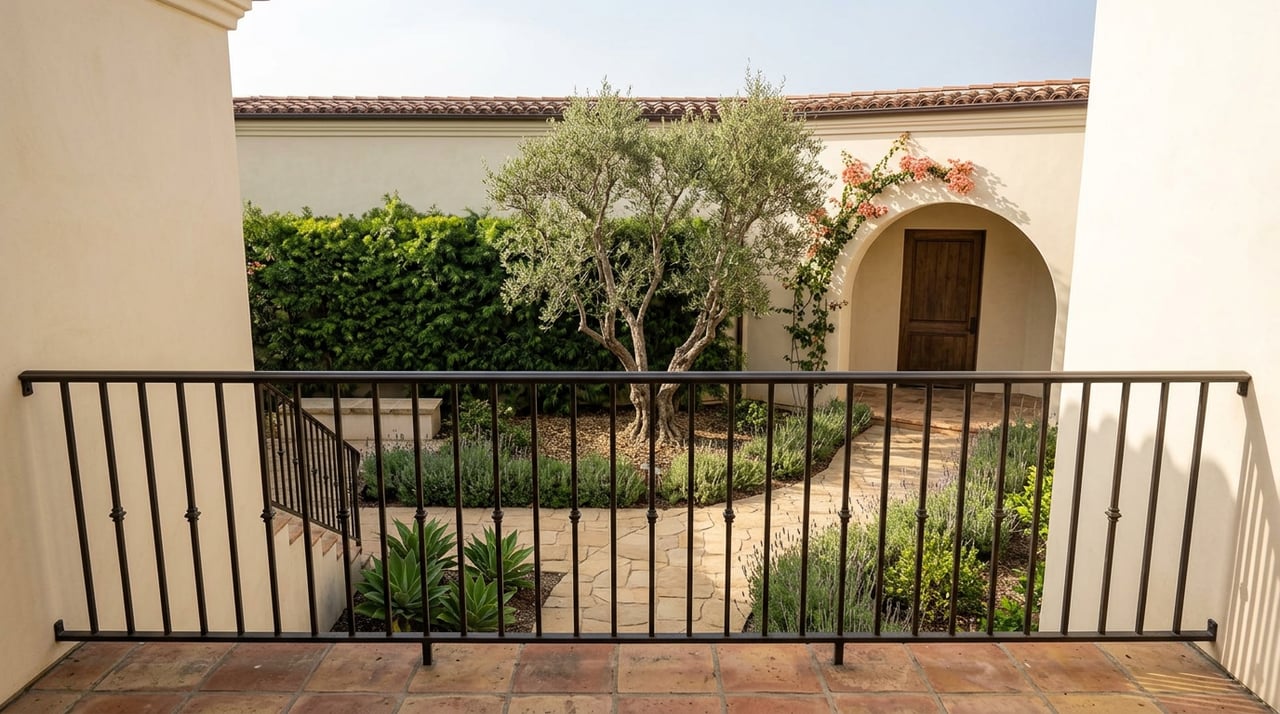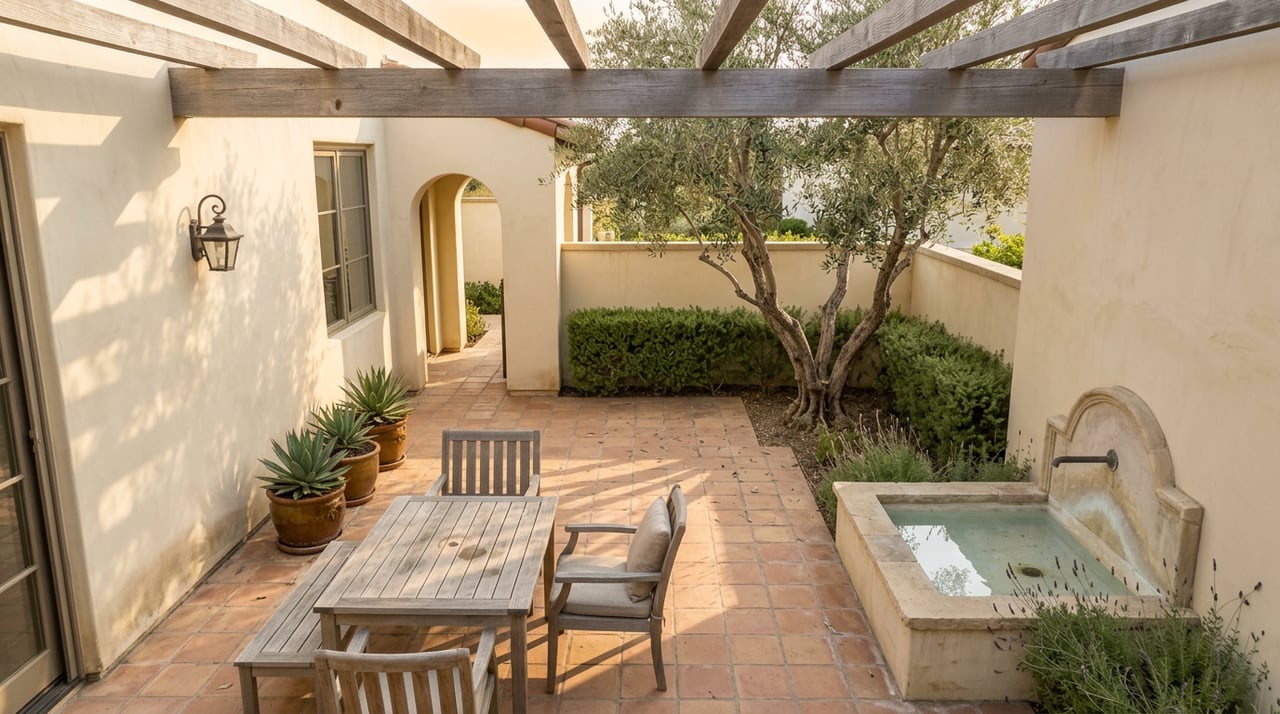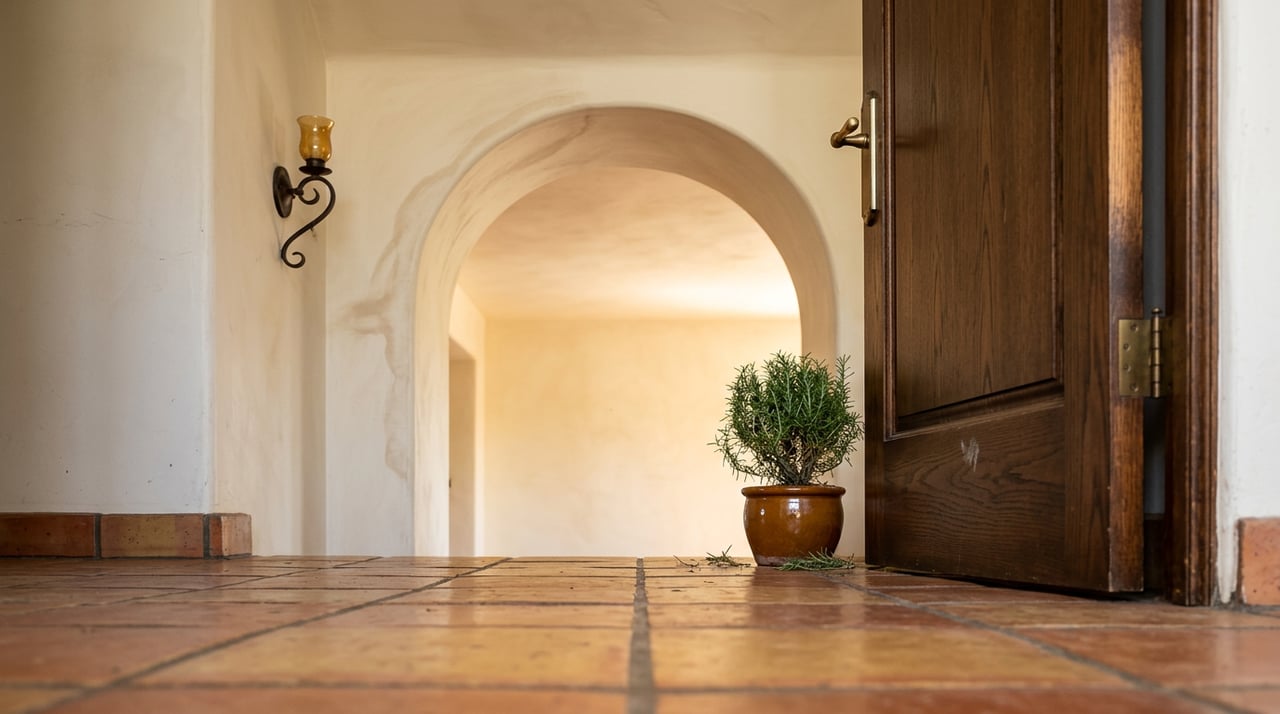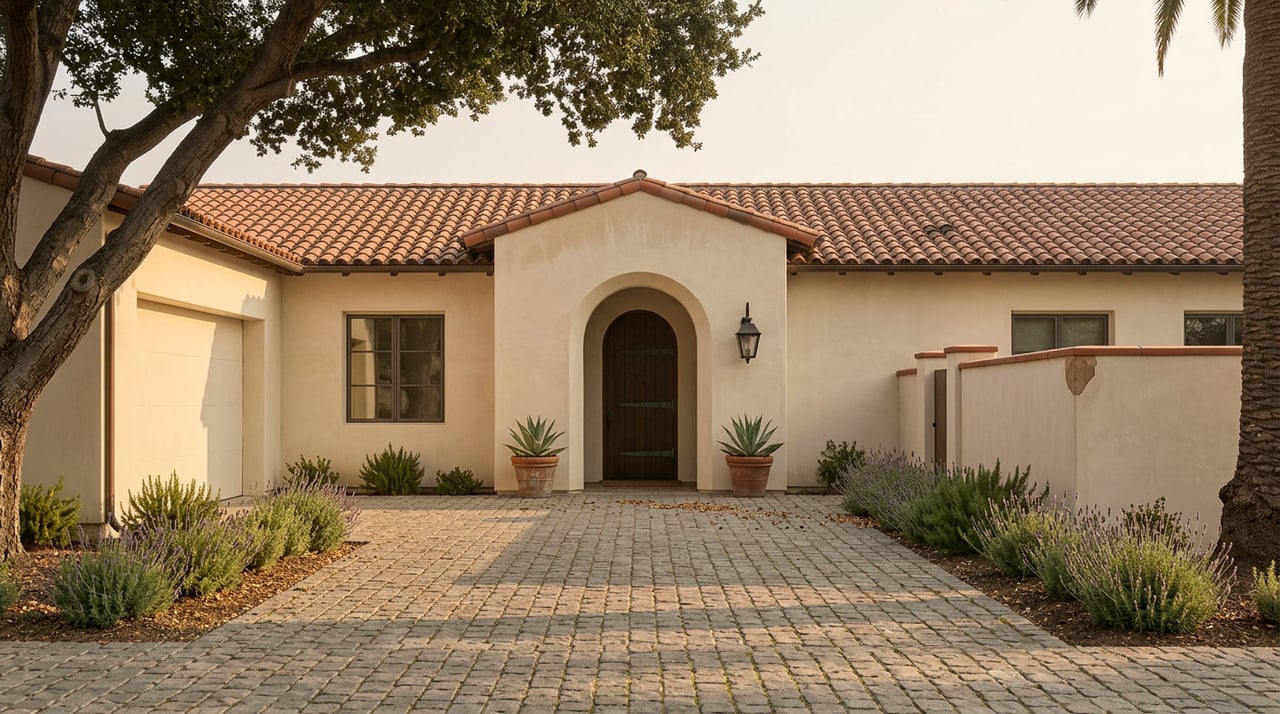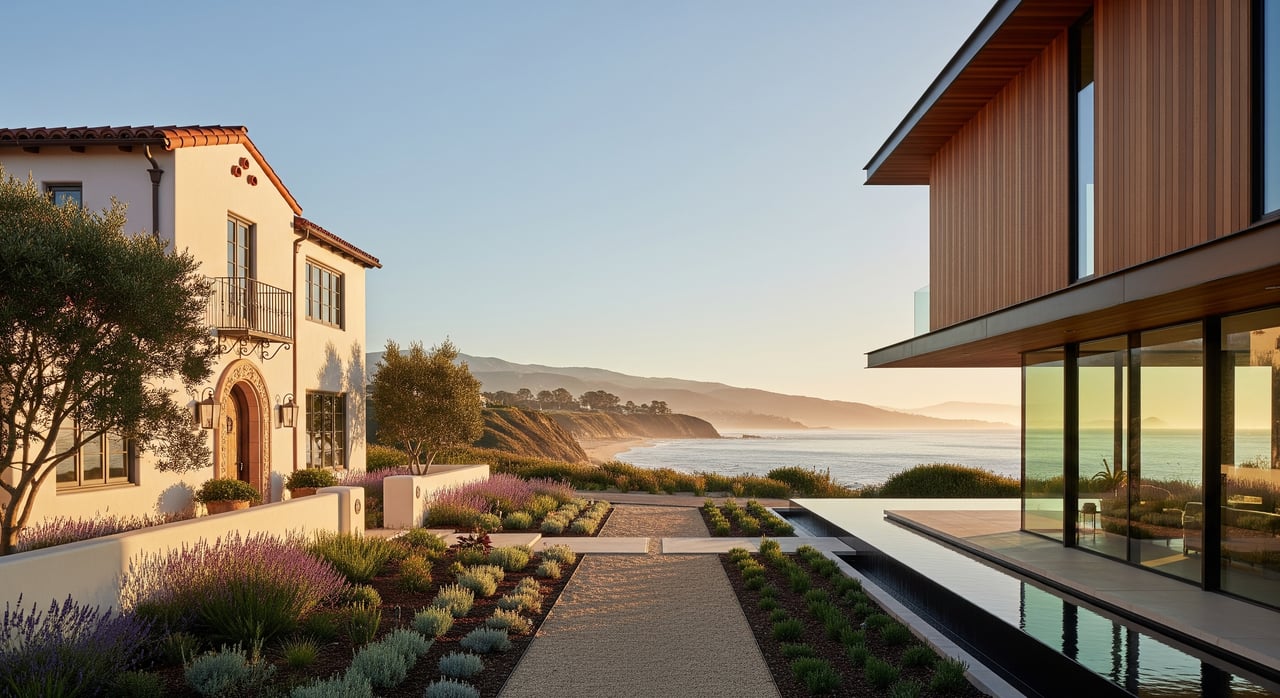
Torn between the charm of a classic bungalow and the convenience of a brand-new build in Goleta? With coastal weather, local permitting, and neighborhood character in play, your choice is about far more than looks. In this guide, you will compare costs, permits, insurance, and maintenance, and get local checklists to move forward with clarity. Let’s dive in.
Goleta market context that matters
Goleta blends older coastal neighborhoods, mid-century streets, and newer infill communities. Proximity to UCSB, tech parks, and Santa Barbara attracts a wide range of buyers and investors. Prices across the South Coast are typically above California medians, and Goleta often offers relative value compared to central Santa Barbara. For live pricing and inventory, use local MLS data and broker reports.
What makes a home “historic” here
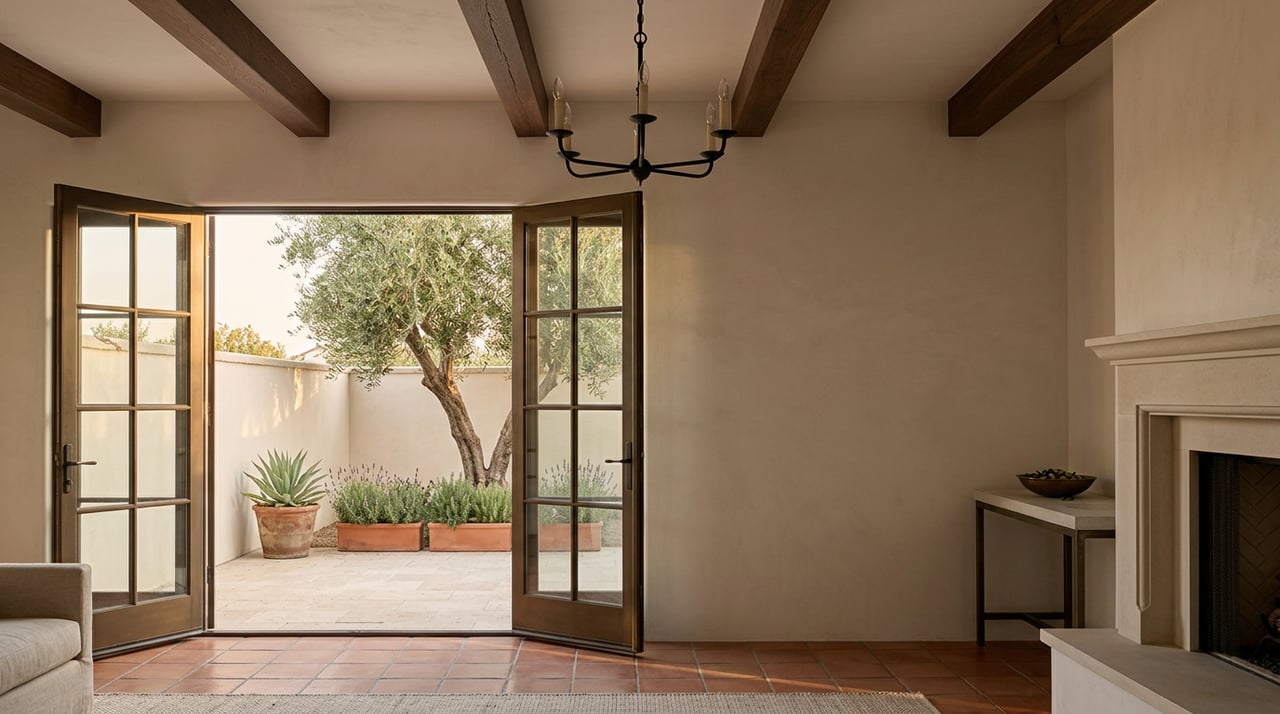
In the Santa Barbara region, historic character often reflects Spanish Colonial Revival and Craftsman traditions. A home can be locally designated or listed as a historic resource, which can add review steps for exterior changes. The California Historical Building Code provides flexible compliance paths for safety and code upgrades, which can help rehabilitation stay true to the original character while meeting standards. Learn more about the California Historical Building Code.
If a property qualifies and the city participates, the Mills Act may reduce property taxes in exchange for a preservation plan and ongoing maintenance. Participation varies by city, so confirm current local availability and process. Review statewide Mills Act program details and check with the City of Goleta for local administration.
New construction in Goleta
New construction includes custom homes and newer subdivisions or infill. You typically get modern layouts, code-compliant systems, and better energy performance under California’s Title 24 standards. Builders may offer warranties that reduce short-term repair risk. For custom builds, plan for site work, drainage, and landscaping in your budget and timeline.
Permits, design review, and coastal rules
Most additions and remodels require city permits, and some projects trigger design review. Start with the City of Goleta Planning Department to confirm zoning, required permits, and any local historic resource listings. If the property is in the state coastal zone, you may need a Coastal Development Permit for new construction or major renovations. Check coastal zone maps and CDP requirements early, since coastal review can affect scope, timing, and conditions.
For older homes, unpermitted work is common. Ask for a permit history and confirm whether past alterations were approved. In all cases, factor approval timelines into your move and financing plans.
Costs, financing, and insurance
Costs vary by location, scope, and condition. Here is how they typically compare:
- Historic homes: Purchase price depends on character, rarity, and condition. Expect higher maintenance and potential upgrades for electrical, plumbing, HVAC, and seismic work. Replacement cost for specialty materials can raise insurance premiums.
- New construction: Often higher price per square foot for turnkey condition and contemporary features. Energy bills are usually lower. Builder warranties can reduce short-term surprises.
Financing options to consider:
- Historic fixers: Some buyers use FHA 203(k) rehabilitation loans or conventional renovation products to bundle purchase and renovations. Lenders will want detailed scopes and reliable estimates.
- New construction: If you build, you may use a construction-to-permanent loan with draws and inspections. For completed homes, standard mortgages apply. Review consumer guidance on construction loans to understand timelines and requirements.
Insurance and taxes:
- Coastal exposure can increase premiums, especially near the ocean. Check the FEMA Flood Map Service Center for flood zones.
- Property tax is generally reassessed at purchase under Prop 13 rules. For parcel data and tax questions, visit the Santa Barbara County Assessor.
- If the city offers it and you qualify, a Mills Act contract may reduce property taxes for a designated historic property, with preservation obligations.
Maintenance and risk: what to expect
Older homes in coastal Santa Barbara often require careful review. New builds are not risk-free either. Prioritize the following:
For historic homes:
- Seismic vulnerabilities like unreinforced chimneys and weak foundation anchorage.
- Outdated systems, including old wiring, galvanized plumbing, and older heating.
- Potential lead paint or asbestos, termite activity, and wood rot.
- Coastal corrosion affecting fasteners, metal hardware, and exterior finishes.
For new construction:
- Quality control issues if a builder cuts corners; verify punch lists and warranties.
- Drainage and grading, especially on bluffs or slopes.
- Immature landscaping and exposure until the site and neighborhood mature.
Buyer checklist for Goleta
Use this quick list before you write an offer:
- Verify designation: Ask whether the property is a historic resource or in a preservation area; confirm with the City of Goleta Planning.
- Permit history: Request permits from the seller and, if needed, a permit history search from the city.
- Inspections: Structural and seismic, pest/termite, roof, HVAC, plumbing, electrical, and hazardous materials checks; get a geotechnical report for bluff or slope sites.
- Coastal status: Confirm if the lot is in the coastal zone and whether prior CDPs exist.
- Insurance: Obtain homeowner and, if applicable, flood insurance quotes; verify any wind or salt-air considerations.
- Energy and systems: For historic homes, price upgrades to modern standards. For new builds, verify Title 24 compliance and builder or manufacturer warranties.
- Financing: Align loan type with your plan, whether conventional, construction-to-perm, or a rehab product like 203(k).
- Maintenance budget: Estimate 1–3% of home value annually for newer homes, and often 2–4% or more for older homes depending on condition.
- Resale and appraisal: Unique historic homes can be hard to comp; ask for recent, relevant sales.
Seller checklist to prepare for market
A few steps can improve price and reduce friction during escrow:
- Documentation: Gather permits, renovation records, warranties, and any historic designation paperwork.
- Repairs: Address visible deferred maintenance such as roofing, termite work, and exterior paint.
- Historic homes: Showcase completed preservation work and any tax programs, and disclose obligations tied to designation.
- New construction: Provide builder warranties, energy reports, and certificates of compliance.
How to choose: quick decision guide
Use this simple framework to align the home with your goals:
- Prefer low maintenance and modern conveniences: Lean toward new construction or recently built homes.
- Value character and unique architecture: Consider historic homes, and budget for system upgrades and seismic work.
- Want coastal access or views and accept more oversight: Historic coastal properties may fit, but study coastal permits and maintenance.
- Investor mindset seeking predictable expenses: Newer homes often carry lower short-term capital expenditure risk.
When you are ready to compare specific properties or off-market options, connect with a local advisor who knows the neighborhoods, permitting paths, and contractor community. If you want discreet guidance, curated sourcing, and a clear plan from offer to closing, reach out to Nico Pollero for a private consultation.
FAQs
What should first-time buyers in Goleta know about permits?
- The City of Goleta requires permits for most additions and many remodels, and coastal-zone properties may need a Coastal Development Permit, so confirm requirements early.
How do historic rules affect renovations in Goleta?
- Historic designation can add design review and limit exterior changes, but the California Historical Building Code offers flexible compliance paths for safe rehabilitation.
Are there tax incentives for owning a historic home?
- The Mills Act may lower property taxes where the city participates, and it requires a contract and a preservation plan with ongoing maintenance.
What financing works best for a historic fixer-upper?
- Buyers often use FHA 203(k) or other renovation loans to combine purchase and rehab funds, backed by detailed scopes and contractor bids.
Does a coastal location change insurance needs?
- Coastal exposure can raise premiums and may add flood coverage needs, so review quotes and check flood zones before you commit.
How do new builds compare on long-term costs?
- New construction usually has lower energy and maintenance costs early on, especially with warranties, though the initial purchase price may be higher.