Ever picture waking up to sunlit waves and coffee on a breezy deck? In Summerland, that vision comes to life across a patchwork of charming cottages, vintage bungalows, and modernized ocean-view homes. If you love character, walkability, and that relaxed coastal rhythm, you’ll feel right at home here.
Buying or selling in a coastal zone is different. You balance views, lifestyle, and long-term resilience with permits, inspections, and insurance. This guide shows you what defines Summerland style, what to watch for on blufftop and beach-level lots, and how to plan smart improvements. Let’s dive in.
What makes a Summerland home
Summerland blends early coastal-resort charm with thoughtful renovations. Homes are compact, view-oriented, and often updated to bring the ocean in while keeping maintenance practical.
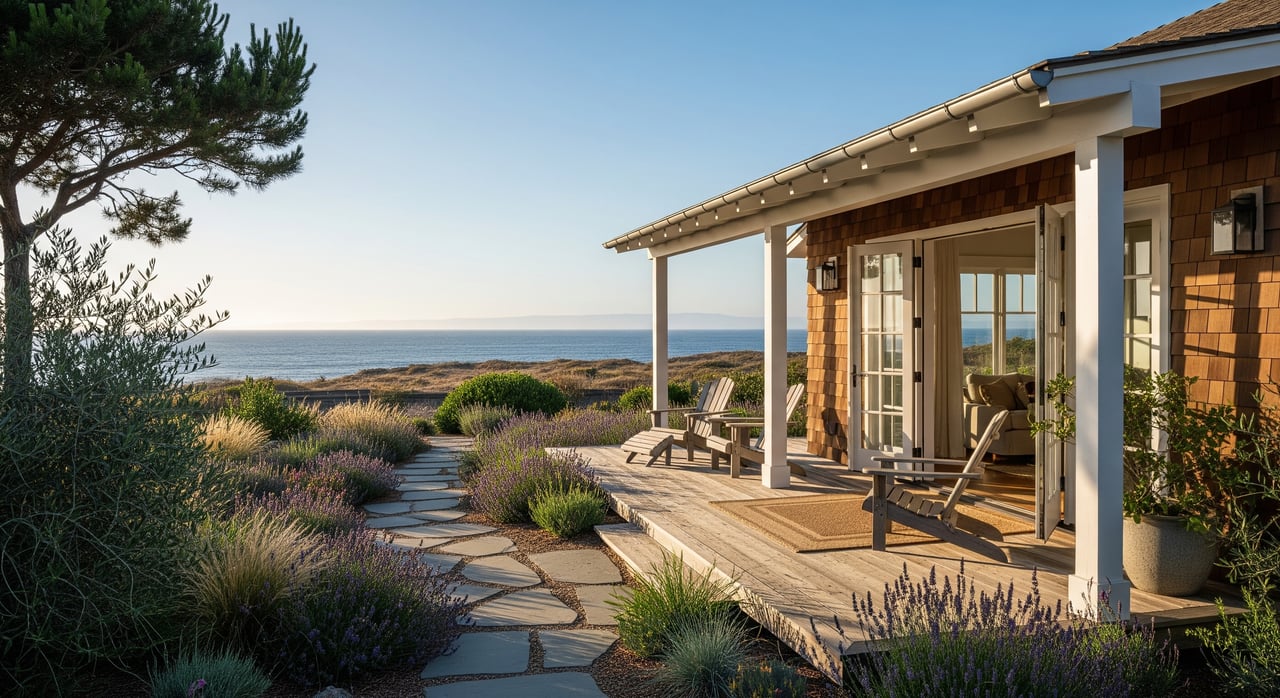
Beach cottages
You’ll see small footprints, one or one-and-a-half stories, and relaxed floor plans. Wood siding, simple gabled roofs, and porches or decks face the water to catch breezes and sunsets. Many started as seasonal homes and grew over time.
Craftsman bungalows
Classic bungalows show low profiles, broad eaves, exposed rafters, and tapered porch columns. Interiors may include built-ins where original details remain. Many have been expanded to add bedrooms, baths, or view-facing living space.
Mid-century and ranch cottages
Post-war single-story layouts are common, sometimes on slightly larger parcels. Bigger windows and open rooms focus on natural light and sightlines. These homes often serve as great canvases for modern coastal updates.
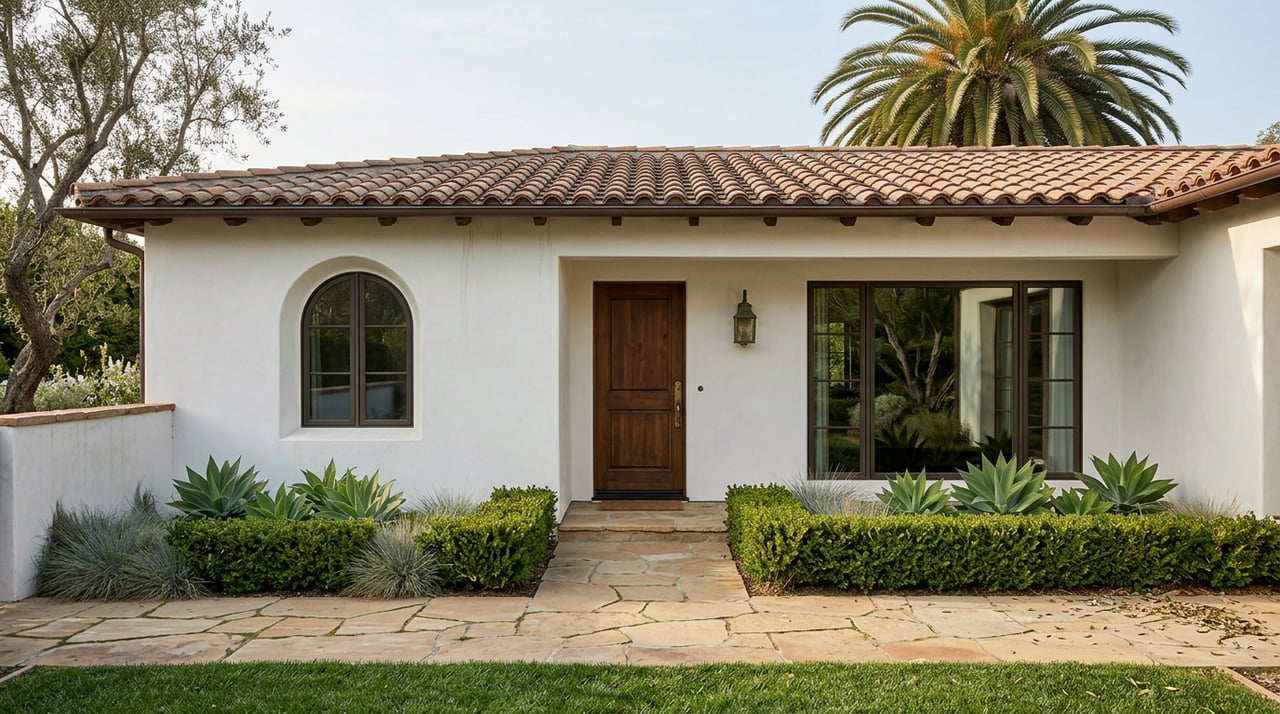
Spanish and Mediterranean touches
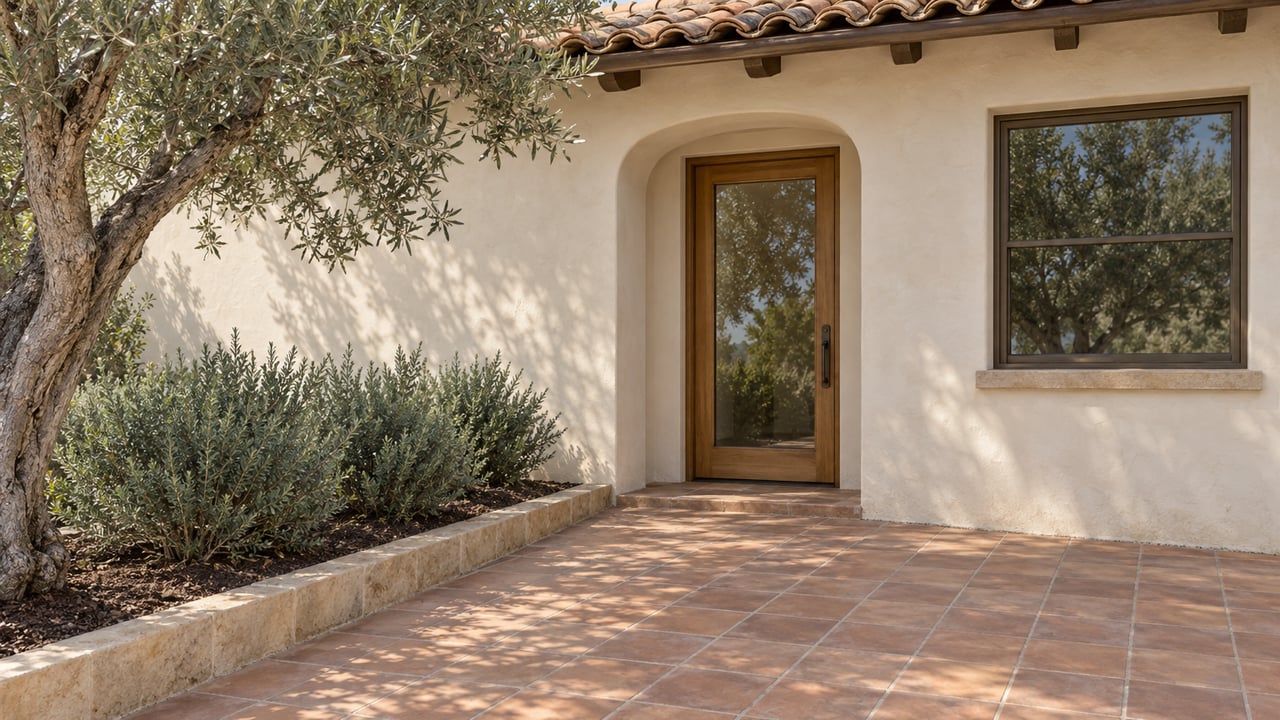
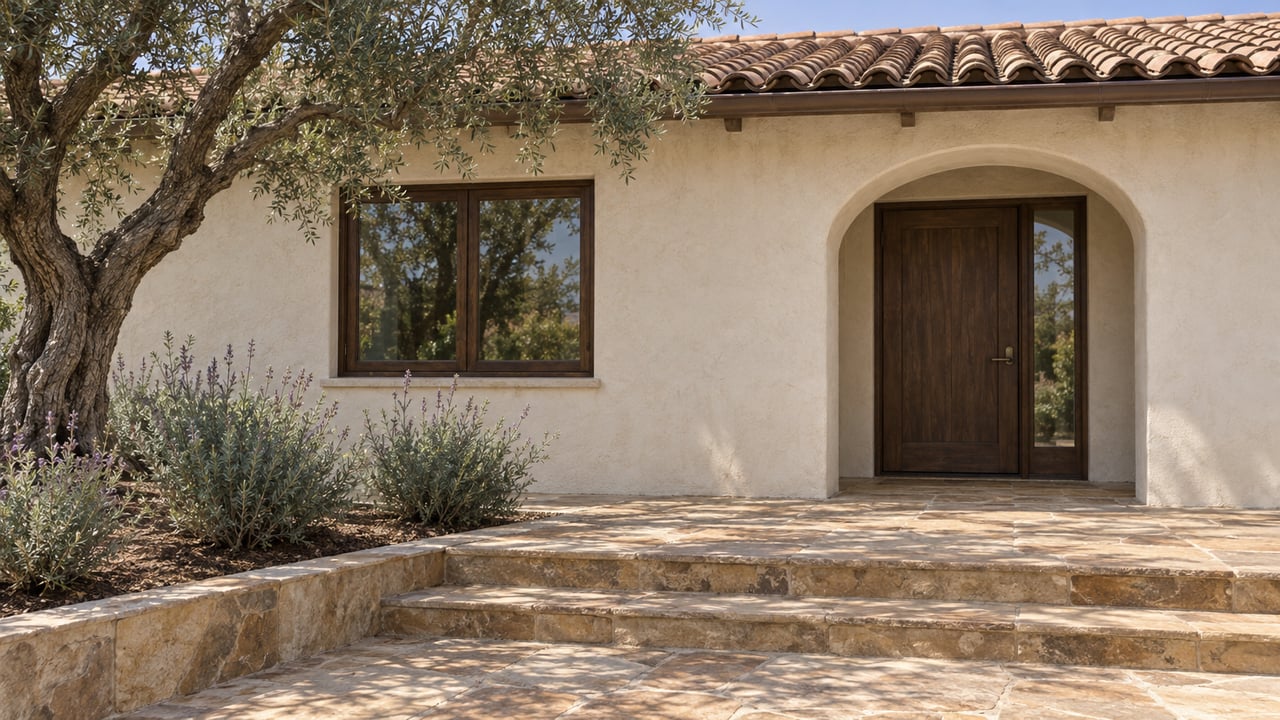
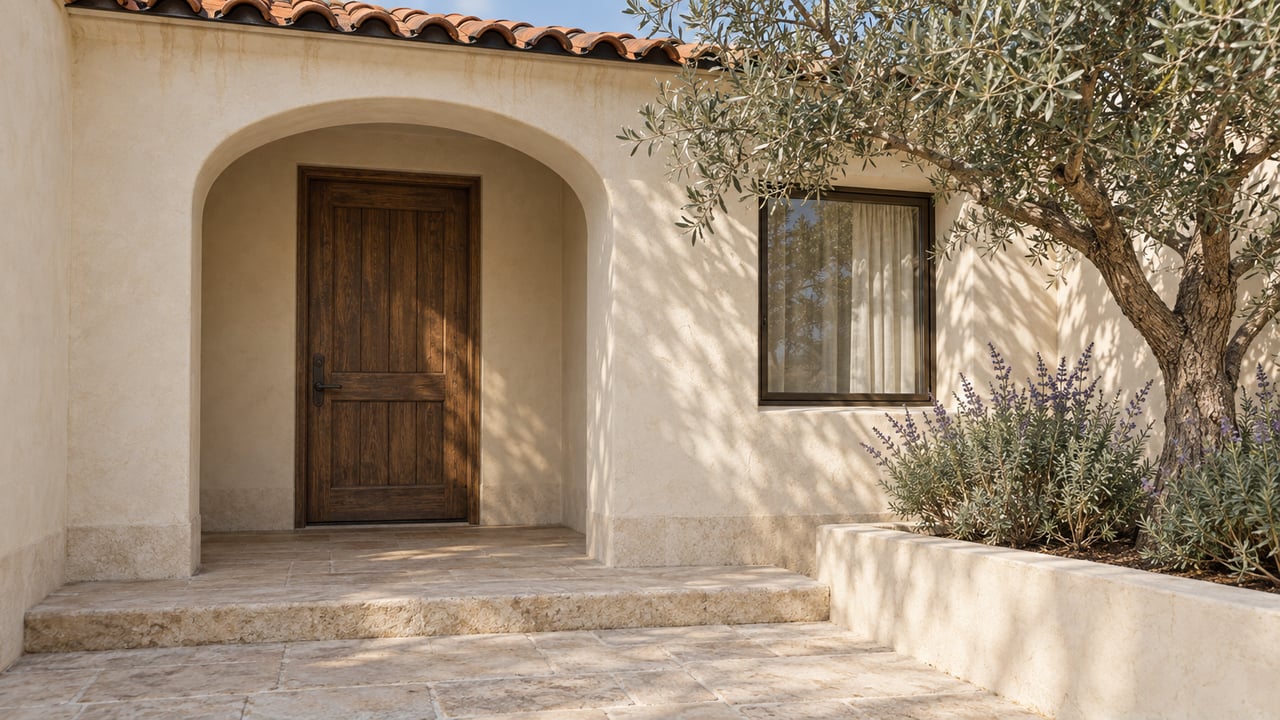
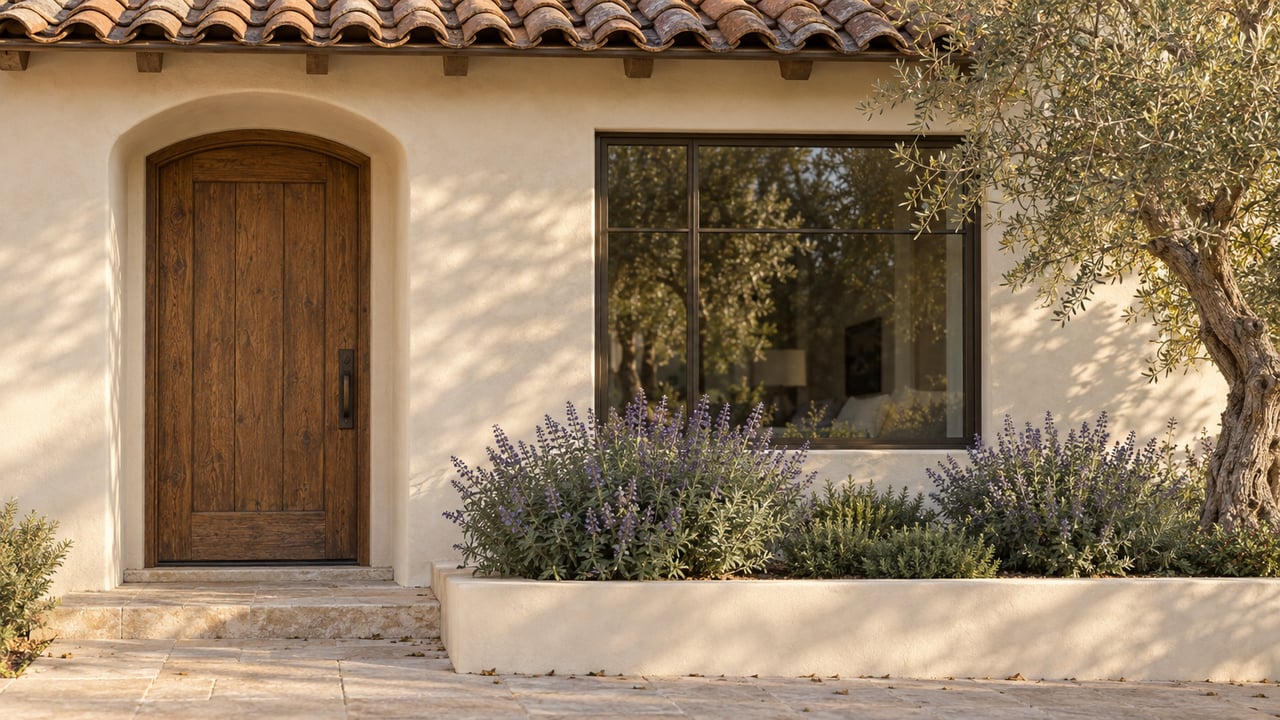
While less common, you will find stucco walls and tile roofs that nod to regional Spanish Revival influences. These styles blend into the coastal palette when paired with decks and drought-friendly landscaping.
Historic bones, modern additions
Many older cottages gained second stories or ocean-facing glass to maximize views. Thoughtful additions can keep the original character while improving livability. Expect compact yards, limited parking, and an emphasis on decks over lawns.
Lots, layout, and views
Lots here are smaller than inland neighborhoods, so outdoor living often means terraces and decks. Living spaces orient toward the water, and some homes sit on bluffs or elevated terraces while others are near beach level. The layout and elevation largely determine your view potential and your maintenance plan.
Ocean-view tradeoffs
Dreamy views come with practical choices. Understanding site conditions helps you protect value and enjoy the lifestyle with fewer surprises.
Blufftop vs beach-level
Blufftop homes offer panoramic vistas and privacy but may face bluff erosion and slope stability issues. Beach-level cottages can feel more connected to the shoreline yet face storm surge and wave exposure. Your inspection, insurance, and permitting strategy should match the site.
Noise, access, and parking
Proximity to the beach and Highway 101 means tradeoffs. You get walkability and quick access to coastal amenities, but you may experience traffic noise or limited street parking. Visit at different times of day to sense light, sound, and parking patterns.
Permits and coastal rules
Summerland is unincorporated, so Santa Barbara County administers most local permits, and the California Coastal Commission oversees development in the Coastal Zone. Plan ahead if you are considering exterior work.
Who oversees permits
Most projects run through Santa Barbara County Planning and Development. The Coastal Commission can review or appeal certain coastal projects. All structural work must follow California Building Code for seismic and energy standards.
Common permit triggers
Additions, exterior changes, new decks, or shoreline and bluff-retention work typically require permits. Projects that affect drainage, septic, or significant vegetation on slopes may need special review. Expect geotechnical input for bluff or steep-slope sites.
Reports and disclosures
Blufftop or slope properties often require a geotechnical report and sometimes a long-term coastal hazard assessment. Sellers must provide standard California disclosures, including Natural Hazard Disclosure that covers flood, wildfire, earthquake, landslide, and tsunami zones. Review any records of storm damage, bluff retreat, or prior repairs.
Inspections and insurance basics
Coastal homes need a few extra layers of diligence. The right experts can uncover issues early and reduce long-term costs.
Must-have inspections
Order general home, roof, plumbing, electrical, HVAC, and pest inspections. In marine conditions, check for wood rot, salt corrosion on fasteners and connectors, moisture intrusion, and failed window seals. For bluff or slope homes, get geotechnical and foundation evaluations and verify permits for any past slope work.
Insurance considerations
Standard policies usually exclude earthquake and flood. Earthquake coverage is available through state or private carriers, and flood insurance through NFIP or private markets. Premiums may be higher for coastal risks, so secure quotes early. If you plan short-term rentals, ask your carrier about underwriting changes and needed endorsements.
Maintenance to expect
Salt air shortens the life of metal, paint, and exposed wood. Plan for frequent exterior painting, corrosion-resistant fasteners on decks and railings, and roof and window upgrades to prevent moisture intrusion. Creating a maintenance schedule helps protect both your lifestyle and resale value.
Renovation and ADU potential
Interior remodels are often the easiest value-adds. Exterior expansions can trigger coastal review, so plan carefully.
High-impact improvements
Updating kitchens and baths, replacing windows and doors, and refreshing decks can be high-ROI moves. Outdoor rooms with seating, heaters, and lighting extend coastal living without major footprint changes.
Height and exterior changes
Projects that alter height or ocean-facing elevations draw greater scrutiny. Always verify whether your plans require coastal permits and geotechnical studies before starting design.
ADUs and rental strategies
California ADU laws are permissive, but local standards and Coastal Zone rules still apply. Parking and site impacts matter. If rental income is part of your plan, confirm process, insurability, and any local rules before committing.
Pricing, value, and resale
Ocean views are reliable differentiators, but documentation and condition drive confidence for buyers.
How views affect value
Sightlines, privacy, and outdoor living areas often command premiums. Quality photography and drone perspectives can help market those features when you sell.
Investor mindset and risk
Coastal risks like erosion and sea-level rise should be part of your long-term plan. If your horizon is shorter, lifestyle value may outweigh long-range mitigation. For longer holds, model future costs and permitting limits for protective work.
Common negotiation points
Expect conversations around foundations, subfloor and termite repairs, past water intrusion or storm damage, and permit status of prior renovations. Clarify shoreline easements and any public access constraints before closing.
Buyer checklist
- Review all disclosures, including the Natural Hazard Disclosure.
- Order general, pest, and roof inspections, plus geotechnical and foundation reports for bluff or slope sites.
- Verify sewer or septic connections and condition.
- Get homeowners, earthquake, and flood insurance quotes early to confirm availability and cost.
- Check county records for permits and any open code items.
- Visit the property at different times to gauge light, noise, wind, and parking.
Seller checklist
- Gather permits, repair receipts, and records for any bluff stabilization or shoreline work.
- Tackle targeted fixes: roof, paint, deck and railing safety, and termite remediation.
- Trim vegetation to open view corridors and stage outdoor spaces to highlight sightlines.
- Be transparent about hazards or restrictions to build buyer confidence.
- Market the lifestyle thoughtfully with strong imagery while documenting permitted work.
Lifestyle and location
Summerland offers a small-community feel with proximity to cafes, shops, and the beach. You are a short drive to Santa Barbara, Montecito, Carpinteria, and regional amenities. School assignments run through Santa Barbara County and can vary by address, so confirm for any specific property.
Ready to weigh view potential against coastal rules and long-term care? With the right plan, you can enjoy the Summerland lifestyle while protecting your investment.
If you are exploring a purchase, planning a sale, or considering a renovation, connect for local guidance and discreet access to opportunities. Work with Nico Pollero to align architecture, views, and value.
FAQs
What defines a Summerland cottage or bungalow?
- Compact floor plans, wood siding, simple gabled roofs, broad eaves or exposed rafters, and porches or decks oriented to the ocean are common hallmarks.
Are blufftop homes riskier than beach-level homes?
- Blufftop homes face erosion and slope stability concerns, while beach-level homes may be more exposed to storm surge and wave action. Match inspections and insurance to the site.
Which permits do I need for decks or additions in Summerland?
- Additions, exterior changes, and new decks typically require County permits and may need a Coastal Development Permit. Bluff or shoreline work often requires geotechnical review.
What inspections are essential for a coastal home purchase?
- General, pest, and roof inspections plus checks for wood rot, salt corrosion, and moisture intrusion. For bluffs or slopes, add geotechnical and foundation evaluations.
How do ocean views impact pricing and resale?
- Clear sightlines, privacy, and functional outdoor spaces usually command premiums. Documented, permitted work and strong visual marketing support higher buyer confidence.
Do standard homeowners policies cover coastal risks?
- Standard policies usually exclude earthquake and flood. Separate earthquake and flood policies are available, and coastal properties may see higher premiums or deductibles.